
12 Best Questions to Close Sales & Increase Win Rates


When handling sales calls, the final moments matter the most. How you close the conversation often decides whether the deal moves forward or falls apart. If the ending is unclear or not managed well, even a strong lead can lose interest.
To avoid that, sales reps need clear and thoughtful closing questions that will directly help to close the deals. The questions should guide the buyer toward a decision, surface any remaining concerns, and enable both sides to end the call with clarity.
In this blog, we’ll explore the best sales closing questions to boost conversions and keep customers satisfied. We’ll also share valuable tips on how to use these questions effectively.
Key Highlights:
Sales closing questions guide prospects toward a decision and help agents end the call with a clear next step.
Asking the right questions at the right time builds trust, reduces hesitation, and brings objections forward early.
Strong closing questions focus on the buyer’s needs, priorities, and timeline instead of pushing for a quick approval.
Closing questions will vary depending on the situation, whether the customer is ready to decide, still comparing options, or needs more clarity before moving forward.
What is a Sales Closing Question?
A sales closing question is a question agents ask the prospect near the end of a sales call to understand the buyer’s intent and guide the conversation toward a decision. It helps the agent move the call in a clear direction, whether it's informing the caller of what to do next, clearing up a concern, or confirming what they need before making a decision.
A good closing question gives the buyer clarity, reduces hesitation, and allows the agent to wrap up the call with confidence.
Why Do the Right Sales Closing Questions Matter?
The sales closing questions help the agent build trust, understand the buyer’s needs and intentions, and give reassurance to prospects who may still be unsure about trying your product or service. When done right, closing questions support better call handling, making the final stage of the call more natural and increasing the chance of turning interest into a sale.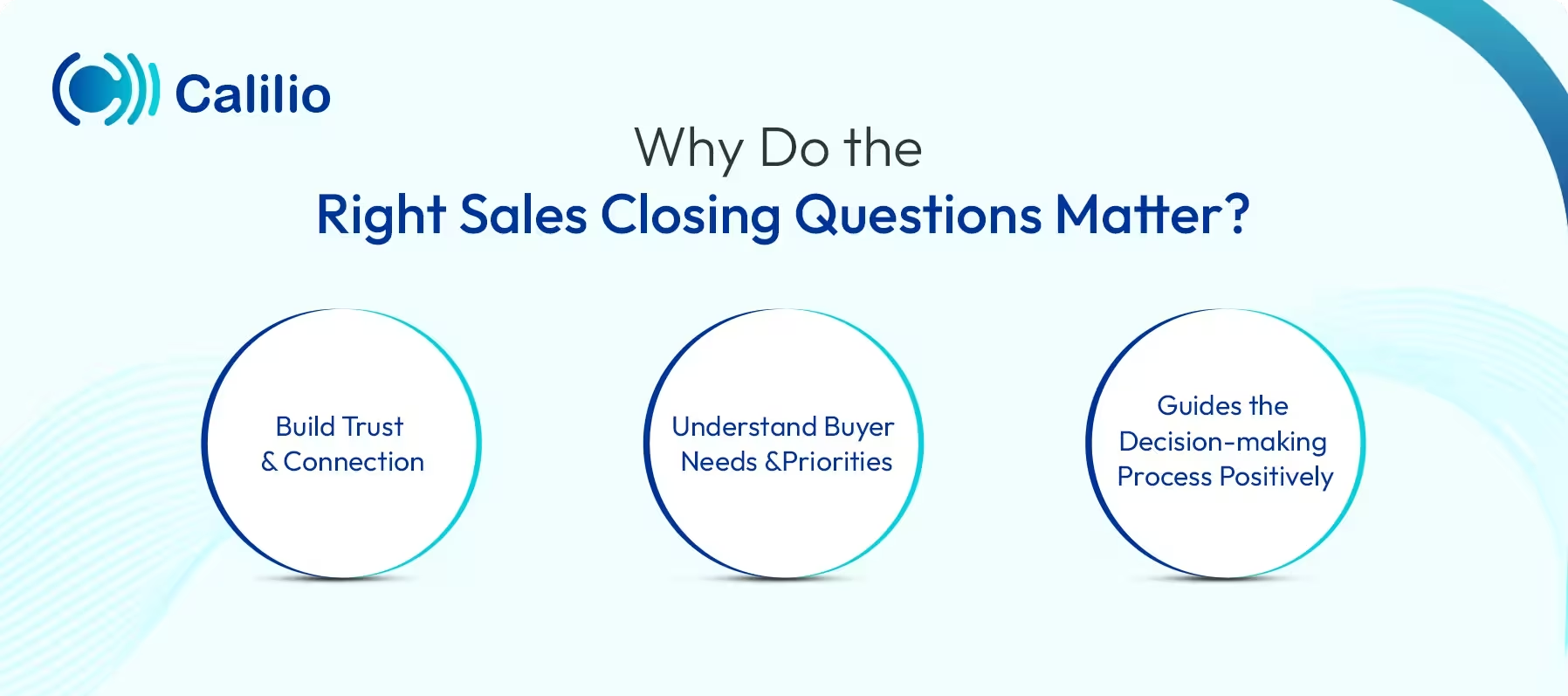
Build Trust and Connection
Good closing questions show that you’re actually paying attention instead of just rushing to finish the call and make it a sales call. When prospects feel heard, they open up more easily and share what they really think. It also reassures the buyer that you’re a real professional, not a scammer.
Understand Buyer Needs and Priorities
Asking great sales questions uncovers what matters most to the buyer. Instead of guessing, you get direct insight into their goals and concerns, making it easier to position your solution correctly.
Guides the Decision-making Process Positively
The right closing questions make it easier for buyers to move from interest to action. Instead of leaving them unsure about what to do next, these questions highlight the path forward and clear up any final doubts. When prospects feel guided, not pushed, they’re more comfortable making a decision, which often leads to a more successful close.
12 Best Closing Questions to Ask During a Sales Call
Here are some practical closing questions that help you gauge the buyer’s interest, uncover concerns, and move the conversation toward a decision.
1. How Does This Line up with What You Were Hoping to Fix Today?
This question enables you to understand how the buyer views your solution compared to others. It gives you a chance to highlight what makes your offer stronger and clear up anything they might be unsure about.
2. Before We Wrap Up, Is There Anything You Want Me to Explain Again?
This question gives the buyer a chance to clear up anything they’re still unsure about. It keeps the conversation comfortable and shows you’re willing to slow down instead of rushing the close. When buyers feel they can ask freely, they’re more confident moving forward.
3. Which of These Options Feels like the Best Match for Your Team Right Now?
It is the alternative closing technique in outbound calls, which enables buyers to compare their options and choose what fits their needs best. It shifts the conversation from “if” they’ll move forward to “which” direction they want to take. Since both options keep the deal moving, it makes the decision feel easier and more practical to them.
4. How Soon Would You Want This up and Running If You Decide to Move Forward?
Asking about their ideal timeline reveals how quickly the prospect wants to move and how ready they feel. It also lets you plan the next steps at a pace that matches what they’re expecting.
5. Would a Short Trial Help You See How This Works in Your Daily Workflow?
A trial gives buyers a chance to experience the product in real conditions, which often makes the decision feel easier. It removes uncertainty and lets them confirm the fit for themselves, without any pressure.
6. Does This Approach Cover the Main Issues You’re Trying to Solve?
This question focuses on the central issues that your client is trying to fix. It enables them to check whether your solution solves their problem or not.
7. How Does This Pricing Compare with What You Budgeted?
It allows you to understand whether the pricing fits what they planned for. This question makes it easier to adjust the plan if needed while still moving the call toward a decision.
8. Is There Anything Stopping You from Taking the Next Step Today?
This is an open-ended question that brings hidden concerns to the surface so you can address them early. Instead of just saying yes and no, agents can gently encourage them to explain their issues and resolve them.
9. If I Can Address That Concern, Would You Feel Ready to Continue from Here?
This question shows you’re willing to solve the issue that’s slowing them down, while also checking how prepared they are to move forward. It turns the concern into a practical next step and helps you see whether the deal is within reach.
10. Who Else Needs to Be Involved Before We Finalize This?
This question enables you to understand who else plays a role in the final decision. It helps you to avoid the deal from crashing in the future due to third-party involvement. It ensures you’re talking to everyone who needs to be part of the approval.
11. Would It Be Helpful to See How Other Companies in Your Situation Used This Successfully?
This question lets you offer real examples that mirror their situation, which can make the decision feel more grounded. It also reassures them by showing how others have succeeded with the same solution.
12. What Would You like Your Next Step to Be?
This question allows the buyer to decide how they want to move forward. It also gives the agent a clear sense of where the person is in their decision process without making them feel pushed.
Best Practices While Asking Closing Questions
Sales agents should choose the right moment to ask the right questions to close a sale and keep them short while linking them to the buyer’s needs. They should match the tone to the buyer’s comfort level, bring concerns forward early, and end the call in a steady, friendly way.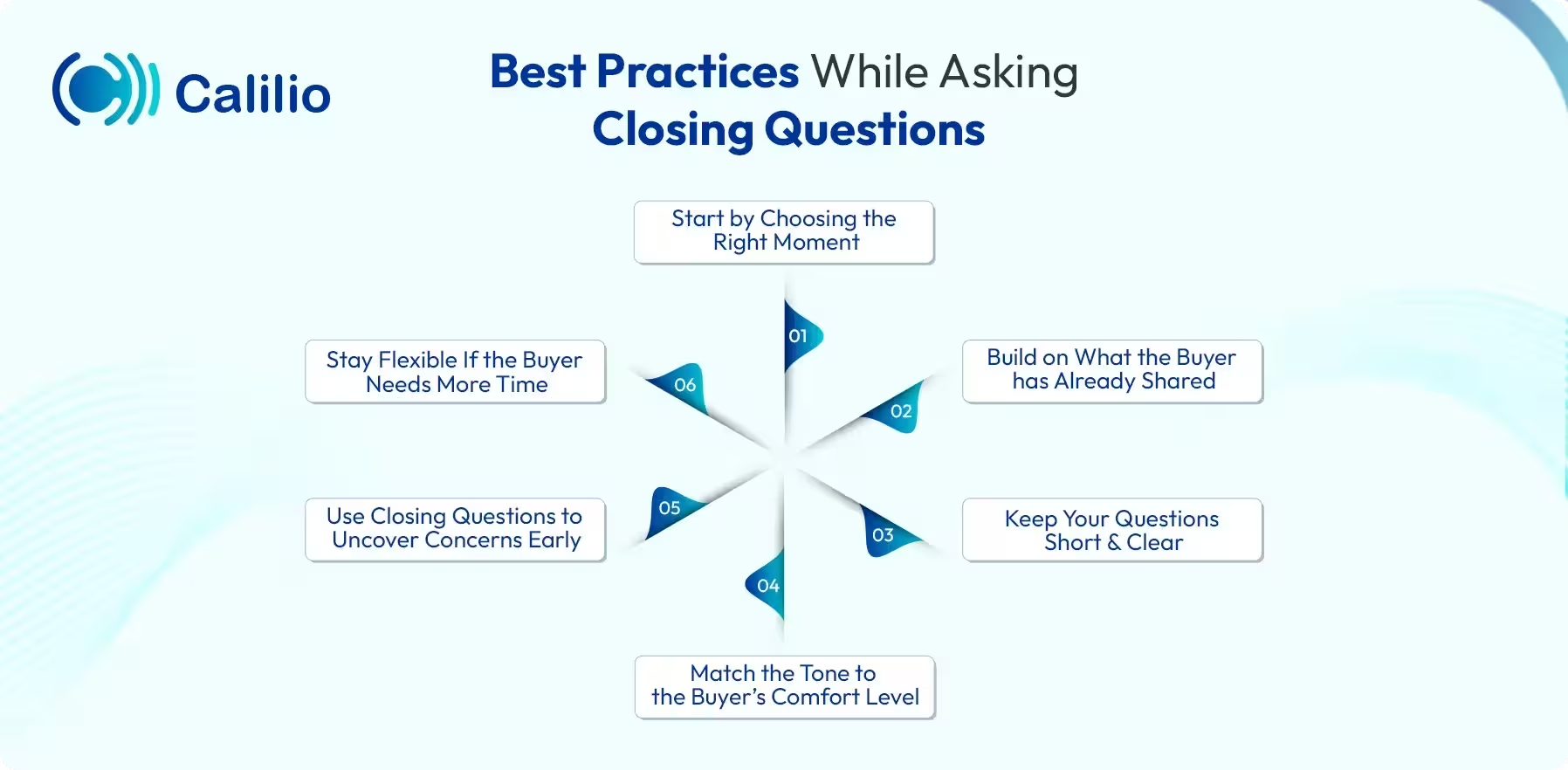
1. Start by Choosing the Right Moment
Before asking any closing questions, make sure you’ve covered the buyer’s needs and walked through the solution. The prospects can get proper context and won't feel rushed.
2. Build on What the Buyer has Already Shared
When you move into closing questions, mention the needs or problems they brought up earlier. Doing that shows you were paying attention and keeps the call focused on what matters to them.
3. Keep Your Questions Short and Clear
As you get closer to the end of the call, simplicity matters. Ask direct questions to help the buyer understand their decision.
4. Match the Tone to the Buyer’s Comfort Level
If the buyer seems positive, you can ask more direct questions. If they’re cautious, a softer question helps them move at a steady pace.
5. Use Closing Questions to Uncover Concerns Early
Instead of hoping objections won’t appear, invite them. A clear question at the right time brings issues forward so you can address them before they block the close.
6. Stay Flexible If the Buyer Needs More Time
If the buyer needs more time or still has concerns, answer their questions again and give them space to think. You can mention any time-sensitive details in a calm way so the delay feels natural, not pressured, and the call ends on a positive note, keeping the door open for closing a deal for the future.
Conclusion
Strong closing questions lead the conversation toward a clear decision and make it easier to end the call on the right note. As the conversation moves forward, sales agents must use the right question at the right time to match the buyer’s comfort level and handle concerns correctly.
As a result, sales agents can keep the discussion meaningful and convert prospects into customers while keeping the customers satisfied and happy.
Summarize this blog with:
Frequently asked questions
What are the 5 W open-ended questions?
The 5W questions are Who, What, When, Where, and Why. These questions encourage the buyer to speak freely and share details that help you understand their needs without leading them to a quick yes or no.
How can I tell if a buyer is ready for a closing question?
What to say at the end of a deal?

Still have questions?
Can’t find the answer you’re looking for? Please chat with our friendly team.
Stay in the loop
Get the latest call insights, trends, and updates delivered straight to your inbox.
By subscribing, you agree to receive updates from Calilio.
You can unsubscribe anytime.
Enter the World of AI Business Phone System with Calilio
Improve your business operation with Calilio's advanced virtual phone system. Join today for a better way to connect.