
Call Center Workforce Management: Meaning, Steps & Best Practices


Running a call center requires balancing service levels, agent availability, and operating costs at the same time. Even small staffing gaps can lead to long wait times, missed targets, or wasted resources. When schedules are not aligned with actual demand, daily operations become harder to control.
This where call center workforce management comes in. It helps teams plan staffing levels based on expected demand, create realistic schedules, and track whether agents are available when they should be. Instead of reacting to problems after they happen, workforce management allows call centers to stay prepared and in control.
In this guide, we’ll explore what call center workforce management is, why it matters, how it works, and best practices for effective management.
Key Highlights:
Workforce management in call centers involves forecasting demand, scheduling agents, and monitoring performance to keep staffing aligned with customer needs.
It helps maintain service levels, reduce wait times, and manage operational costs by ensuring the right number of agents are available at the right time.
Inaccurate forecasts, sudden call spikes, schedule adherence issues, rigid scheduling methods, and agent fatigue or burnout are common challenges call centers often face when managing the workforce.
What is Call Center Workforce Management?
Call center workforce management (WFM) is the process of planning, scheduling, and monitoring agents to ensure the correct number of agents are available at the right time to handle customer calls. It matches staffing schedules with expected call volume so every customer request is handled without unnecessary delays or idle time.
Instead of relying on assumptions, call center workforce management uses data and historical trends to guide staffing decisions. This makes staffing more accurate, keeps workloads balanced, and helps the call center deliver consistent, reliable service throughout the day.
Key Components of Call Center Workforce Management
The key components of workforce management include call volume forecasting, capacity planning, agent scheduling, real-time monitoring, and performance and reporting analysis. These help call centers predict demand accurately, assign the correct number of agents, and maintain smooth operational control.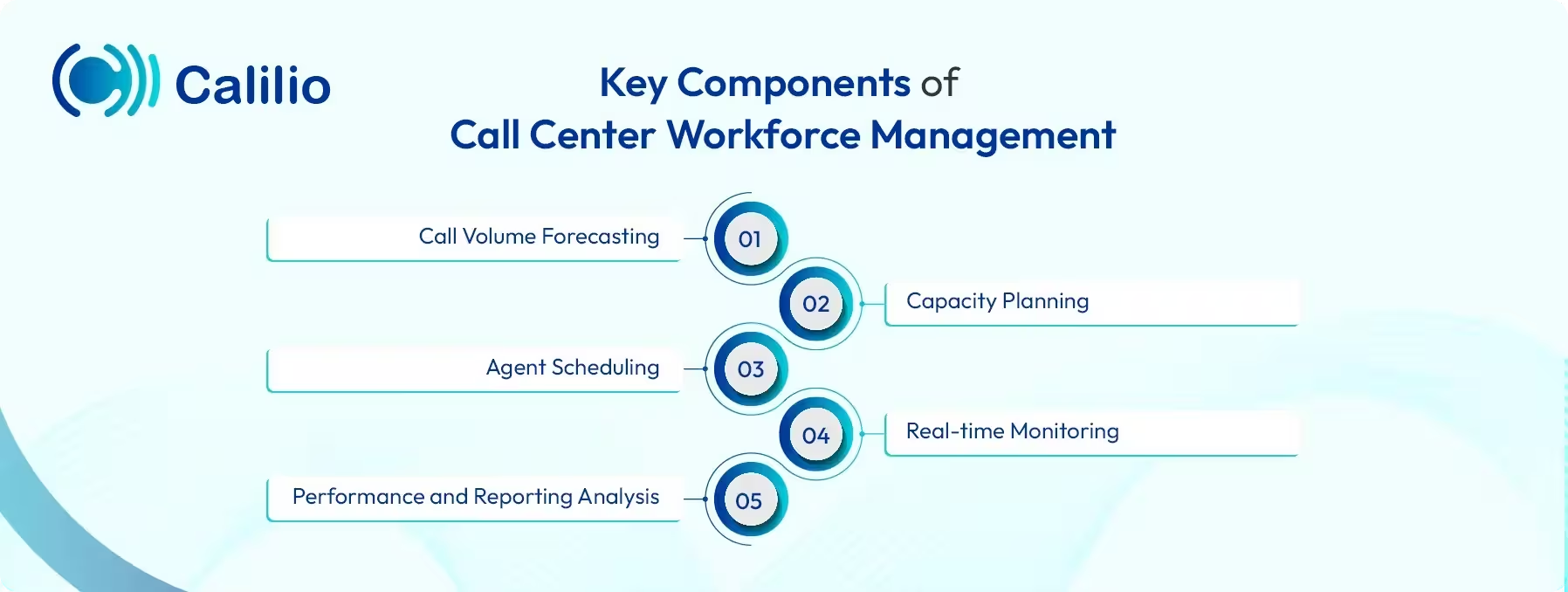
Call Volume Forecasting
Forecasting helps track the number of incoming calls in a call center over a specific period. It uses historical call data, day-to-day operational patterns, seasonal trends, and business events to predict demand. Accurate forecasting forms the foundation of workforce management, and precise staffing and scheduling decisions depend on it.
Capacity Planning
Capacity planning determines how many agents are needed to handle forecasted call volumes while meeting service level goals. It considers the factors such as Average Handle Time (AHT), agent availability, breaks, and shrinkage. It is crucial to ensure that the call center has enough capacity to manage demand.
Agent Scheduling
Scheduling translates forecasts and capacity plans into actual agent work schedules. The process includes assigning shifts, planning breaks, managing time-off requests, and ensuring coverage across different hours and days.
Real-Time Monitoring
Real-time monitoring tracks live call volume and agent status throughout the day. Managers use this information to spot gaps between planned and actual staffing and make immediate adjustments when call volumes change unexpectedly.
Performance and Reporting Analysis
Reporting analyzes workforce data such as forecast accuracy, schedule adherence, and staffing efficiency. These reports help managers evaluate what is working, identify recurring issues, and improve future forecasting and scheduling decisions.
Manage Your Call Center Workforce with Real-Time Call Volume Data, Live Analytics, and Call Monitoring Tools from Calilio
How Does Call Center Workforce Management Work?
Call center workforce management uses past call data to forecast demand, determine staffing needs, and create accurate schedules. Throughout the day, managers monitor real-time activity and make adjustments when conditions change.
- Step 1: Review Past Call Data
The process starts by looking at past call activity. This helps teams understand when call volumes are usually high or low and how long calls typically take. - Step 2: Predict Future Call Demand
Using past patterns, call centers estimate how many calls to expect during different times of the day or week. This helps prepare for busy and quiet periods. - Step 3: Decide how many Agents are Needed
Once demand is estimated, managers calculate how many agents are required to handle calls without long waits. Breaks, time off, and training time are also considered. - Step 4: Create Agent Schedules
Based on staffing needs, schedules are created for agents. These schedules define working hours, breaks, and days off to ensure coverage throughout the day. - Step 5: Monitor Calls During the Day
As the day progresses, managers track call volume and agent availability. This helps confirm whether the plan is working as expected. - Step 6: Make Adjustments when Needed
If call volume changes or agents are unavailable, managers adjust schedules during the day. This keeps service levels stable even when conditions change. - Step 7: Review Results and Improve Planning
At the end of the day, performance is reviewed to see what worked and what did not. This feedback is used to improve future schedules and planning.
Why Does Workforce Management Matter in Call Centers?
- Accurate Staffing Alignment: Workforce management helps call centers schedule agents based on expected call demand rather than fixed assumptions. This ensures enough coverage during busy periods while avoiding unnecessary staffing during slower hours.
- Reliable Demand Forecasting: Analyzing historical call data, trends, and patterns, workforce management improves forecasting accuracy. This allows teams to prepare for daily fluctuations as well as seasonal or campaign-driven volume changes.
- Consistent Service Level Performance: When staffing levels match demand, call centers are better positioned to meet response time and service level targets. This reduces long queues, missed calls, and performance drops during peak hours.
- Improved Agent Utilization: Workforce management ensures agent time is used efficiently. Schedules are built to reduce idle time without overloading staff, which improves productivity and supports cost control.
- Balanced Agent Workloads: Calls and shifts are distributed more evenly across teams, preventing specific agents from being overworked while others remain underused. Balanced workloads support steady performance and reduce fatigue.
- Real-Time Staffing Adjustments: Live monitoring during workforce management enables managers to respond quickly to unexpected call volume changes. Staffing can be adjusted during the same day to prevent service disruptions.
- Data-Driven Workforce Planning: Workforce management replaces guesswork with measurable data. Staffing decisions are based on actual performance and demand trends. So, the schedules are more predictable, making it easier to manage daily operations.
Common Workforce Management Challenges
Despite its benefits, workforce management comes with its own challenges, such as inaccurate forecasting, unplanned absences, sudden call volume changes, and schedule adherence issues.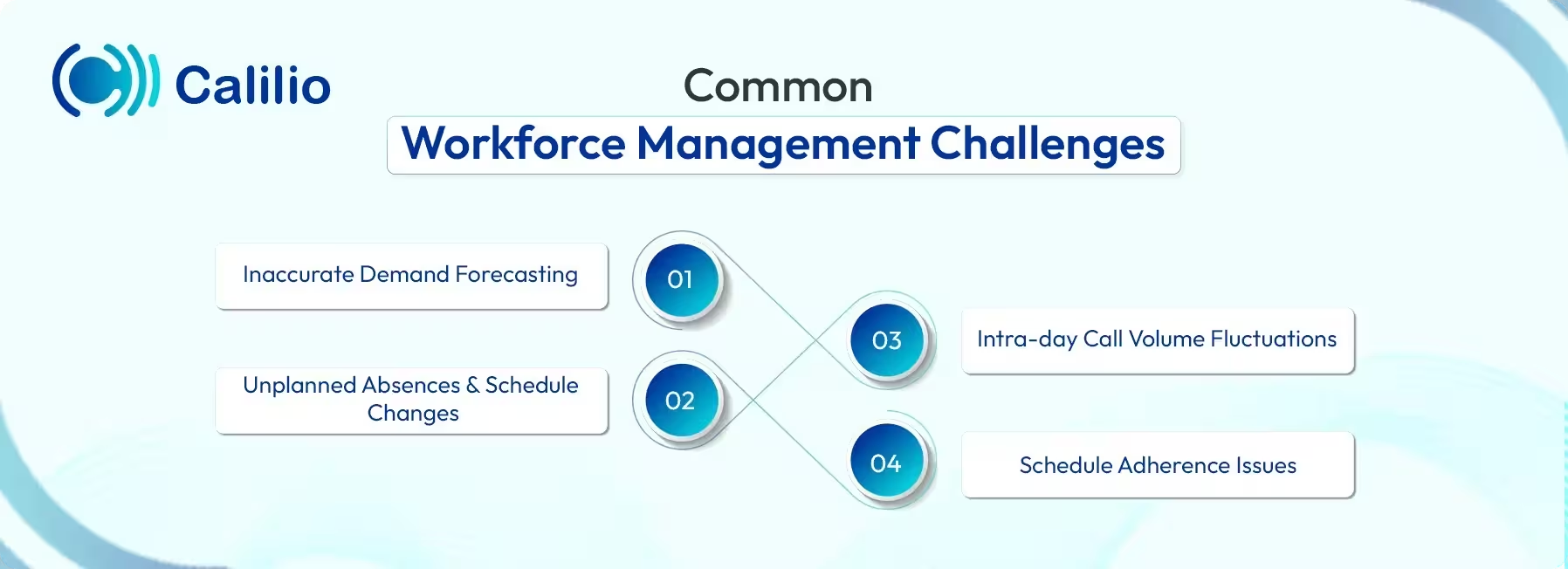
- Inaccurate Demand Forecasting: Forecasts that do not reflect actual call patterns lead to staffing imbalances. Under-forecasting increases wait times and pressure on agents, while over-forecasting results in idle time and higher costs.
- Unplanned Absences and Schedule Changes: Sick leave, emergency time off, and last-minute schedule changes reduce available staffing. These unplanned gaps make it difficult to maintain consistent coverage throughout the day.
- Intra-Day Call Volume Fluctuations: Call volume can change suddenly during the day. When changes occur after schedules are set, it can be challenging to make the real-time adjustments.
- Schedule Adherence Issues: If agents do not follow assigned schedules, such as late logins or extended breaks, coverage gaps may occur. Even minor adherence issues can affect service levels during peak periods.
Best Practices for Effective Workforce Management in Call Centers
For effective workforce management, create a dedicated workforce management team, plan shrinkage accurately, monitor agents for schedule adherence, and schedule agents based on their skills. Also, review performance data regularly and ensure your shift plan is flexible for re-adjustment when necessary.
1. Create a Workforce Management Team
Assign a dedicated group to handle forecasting, scheduling, and live monitoring. Make sure they understand call patterns, agent performance metrics, and service level goals.
2. Plan Shrinkage in Advance
Calculate call center shrinkage, including breaks, meetings, training sessions, leaves, and unexpected absences in your staffing plan. Ensure there’s always a backup to cover unplanned downtime.
3. Implement Skill-based Routing
Categorize agents based on their strengths, such as technical support, billing, or multilingual support, and assign them to specific queues. Review call logs weekly to confirm each agent is handling the right call types.
4. Monitor Real-Time Adherence
Regularly check if agents are logged in, taking breaks, or idle when they shouldn’t be. Set clear adherence targets (up to 90–95%) and address differences immediately. Send gentle reminders for minor delays and escalate repeated problems through supervisory coaching processes.
5. Build a Flexible Scheduling Option
Create flexible shift plans to handle sudden volume spikes. Add options like split shifts, part-time agents, or reserve pools who can log in when demand rises. Review daily reports and adjust staffing within the first hour of noticing a change in call volume.
6. Continuous Improvement
Workforce management is not a one-time task. Review forecasts against actual call volume to see where plans fall short. Check how well schedules match real agent availability and peak hours. Use these findings to improve future forecasts and keep service levels steady as demand changes.
Conclusion
Call center workforce management plays a critical role in keeping daily operations organized, efficient, and responsive to customer demand. By forecasting call volumes accurately, scheduling agents effectively, and monitoring performance in real time, call centers can maintain service levels while avoiding overstaffing or burnout. When workforce management is done right, it creates a balance between customer expectations, agent workload, and operational costs.
With the right tools in place, managing workforce operations becomes more predictable and less manual. Calilio’s call center software supports smarter workforce management by providing clear call volume insights, real-time analytics, and live call monitoring. These features help managers identify peak hours, track agent availability, and make timely staffing adjustments with confidence.
Summarize this blog with:
Frequently Asked Questions
Everything you need to know about Calilio. Can't find your answer? .
Yes. Workforce management systems help small call centers optimize agent schedules, reduce idle time, and improve service quality. Even with limited staff, having structured planning and real-time visibility can make operations more efficient and easier to manage.
Stay in the loop
Get the latest call insights, trends, and updates delivered straight to your inbox.
By subscribing, you agree to receive updates from Calilio.
You can unsubscribe anytime.
#1 Cloud Phone System for
|
Improve your business operation with Calilio's advanced virtual phone system. Join today for a better way to connect.