What is Mobile Marketing? Strategies, Benefits, Challenges & Tips

Many businesses that rely heavily on traditional marketing often struggle to reach their audience effectively. As most people spend the majority of their time on smartphones, methods like print ads and TV commercials are often ignored, causing businesses to miss out on engagement, leads, and sales.
That’s where mobile marketing comes in. It allows businesses to connect with the audience instantly and personally on their mobile phones, improving customer reach and boosting conversions. Whether you want to increase sales, build stronger relationships, or grow your brand, mobile marketing can make a big difference.
In this blog, we’ll explore everything you need to know about mobile marketing, including its benefits, challenges, top strategies with real-world examples, and best practices for successful implementation.
Key Highlights:
Mobile marketing is the process of reaching and engaging customers on their smartphones and mobile devices through targeted messages and digital channels.
Mobile marketing is important for businesses because it helps boost brand visibility, deliver personalized messages, and increase engagement.
The top mobile marketing strategies include running SMS campaigns, push notifications, in-app promotions, social media ads, and email marketing.
Businesses often face challenges such as limited screens, high competition for attention, ad avoidance by users, technical issues, strict privacy regulations, and user engagement fatigue.
What is Mobile Marketing?
Mobile marketing is a digital marketing strategy that focuses on promoting products and services through mobile devices such as smartphones and tablets. It involves delivering messages, offers, or content to users through channels like SMS, mobile apps, social media platforms such as Instagram and Facebook, and search engines like Google.
The main goal of mobile marketing is to engage users where they spend most of their time, deliver personalized experiences, and encourage actions such as making a purchase, downloading an app, or visiting a website. By reaching users instantly on their mobile devices, businesses can boost engagement, improve conversions, and achieve better results than traditional marketing methods.
What are the Benefits of Mobile Marketing for Businesses?
Mobile marketing helps businesses lower marketing costs, support multi-channel strategies, gain measurable and actionable insights, improve customer experience, and drive purchase decisions.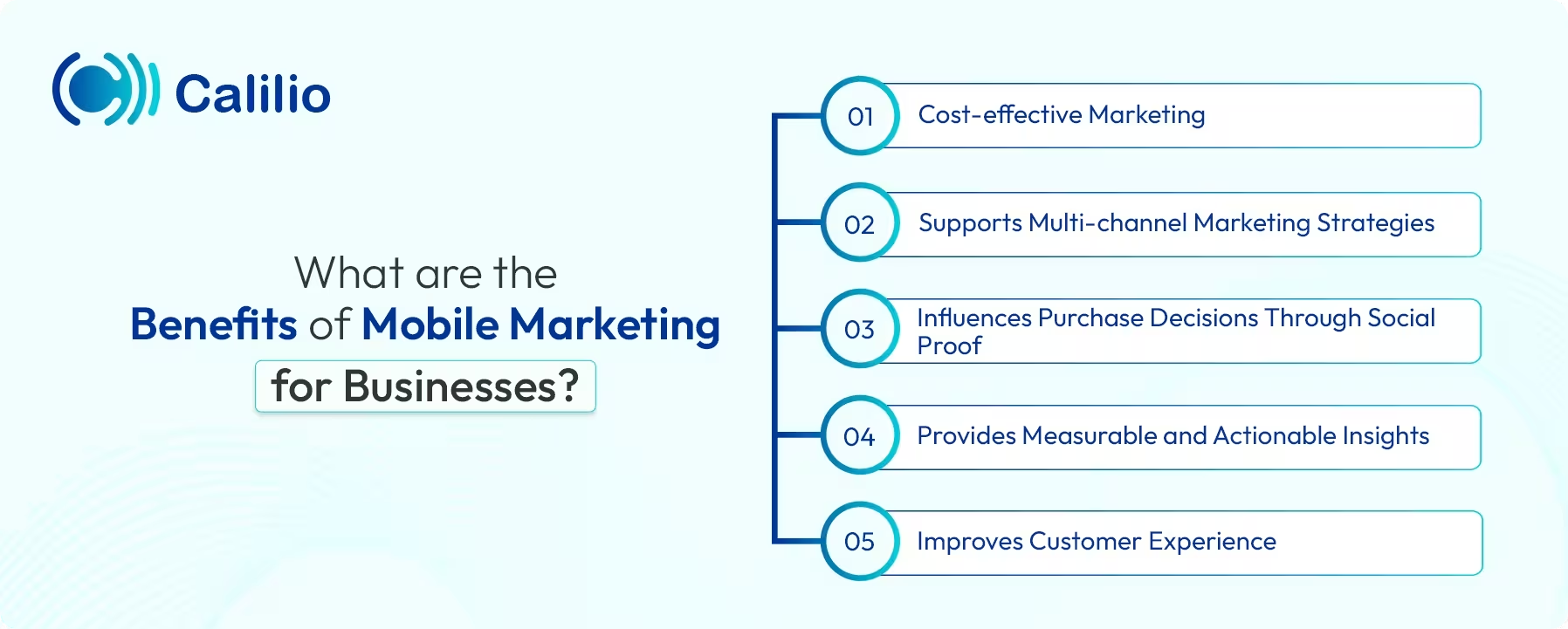
1. Cost-Effective Marketing
Mobile marketing is a budget-friendly way for businesses to reach their audience compared to traditional methods like TV or print ads. Instead of investing big in mass media, businesses can run mobile ads for specific locations, age groups, or interests at lower rates.
Mobile marketing platforms also include a real-time analytics tool that shows impressions, clicks, and conversions, allowing businesses to invest in successful ads. So, businesses can spend only on the advertisements that actually deliver a higher Return on Investment (ROI).
2. Supports Multi-channel Marketing Strategies
Mobile marketing works seamlessly with channels like email and social media, allowing businesses to deliver a consistent message across all platforms. This unified approach increases brand visibility, keeps customers engaged, and increases the chances of conversions and long-term loyalty.
3. Influences Purchase Decisions Through Social Proof
Many customers check reviews, ratings, and influencer recommendations on their phones before making a purchase. Mobile marketing integrates social proof such as customer testimonials, star ratings, and user-generated content directly into apps and websites, helping build trust and increasing the likelihood of purchase.
4. Provides Measurable and Actionable Insights
By implementing mobile marketing, businesses can track real-time campaign performance by monitoring user behavior, clicks, conversions, and engagement rates. This detailed insight enables companies to analyze which strategies are working, identify areas that need improvement, and make informed adjustments to optimize campaigns for higher engagement.
5. Improves Customer Experience
Mobile marketing enhances the customer experience by delivering personalized offers, timely updates, and relevant content directly to users’ devices. It boosts satisfaction, builds trust, and encourages long-term loyalty.
Top Mobile Marketing Strategies with Examples
Top mobile marketing strategies include push notifications, mobile app marketing, location-based marketing, SMS marketing, and email marketing. Each strategy helps businesses connect with their audience directly on their mobile devices and deliver personalized messages.
1. SMS Marketing
SMS marketing involves sending text messages directly to customers’ mobile phones. These messages can include promotions, reminders, updates, or important announcements.
Example: A retail brand uses an SMS marketing platform to send a message about a 24-hour flash sale, encouraging customers to visit the store or shop online immediately. This direct approach helps drive quick responses and boosts sales in a short period.
Send Low-Cost SMS and MMS, Schedule Messages, and Boost Customer Engagement and Conversions—All from One Platform
2. Push Notifications
Push notifications are messages sent through mobile apps to engage users even when they aren’t actively using the app. They can promote products, share important updates, or remind users about abandoned carts. By delivering timely and relevant messages, it helps increase app engagement, encourage specific actions, and keep users connected to your brand.
Example: A food delivery app sends a push notification offering a lunchtime discount on a meal the customer frequently orders. This timely message encourages the user to place an order immediately, boosting engagement and sales.
3. Mobile App Marketing
Mobile app marketing focuses on promoting the brand's apps to increase user engagement and customer loyalty. It allows businesses to deliver personalized experiences, in-app offers, and loyalty rewards, keeping users connected to the brand consistently.
Example: An online shopping app encourages users to download its app by offering reward points for purchases, encouraging repeat orders.
4. Social Media Marketing
Social media marketing uses platforms like Instagram, Facebook, and TikTok to reach users mainly on mobile devices. It allows businesses to make posts or videos easy to interact with the users. Businesses can also share updates, promotions, and engaging content and target specific audiences based on their interests, behaviors, or demographics.
Example: An online fashion store runs Instagram ads showcasing new arrivals to users with similar shopping interests, encouraging clicks and purchases.
5. Location-based Marketing
Location-based marketing uses Global Positioning System (GPS) or geolocation data to send relevant messages, offers, or notifications to users based on their current location. It allows businesses to target customers at the right place and time, increasing the chances of immediate engagement or visits.
Example: A coffee shop sends a discount notification to users who are within a one-mile radius, prompting them to visit immediately.
6. Mobile Search Advertising
Mobile search advertising focuses on displaying paid ads on search engines when users search for specific products or services on their smartphones. These ads appear at the top of search results, making them highly visible and effective for capturing high-intent customers.
Example: A home repair service runs mobile search ads targeting users who search for “plumber near me,” generating immediate service inquiries.
7. Mobile Email Marketing
Mobile email marketing focuses on sending emails that are optimized for viewing on smartphones and tablets. Since emails are checked on phones, messages must be short, clear, and easy to read on small screens. Moreover, using responsive layouts and strong call-to-action buttons improves click rates and conversions.
Example: An e-commerce brand sends a mobile-friendly email showcasing recommended products based on past purchases.
What are the Common Mobile Marketing Challenges?
The common challenges of mobile marketing include limited screen space, data security, limited user attention, and slow loading speed. Addressing these challenges helps businesses improve mobile campaign performance and achieve better outcomes.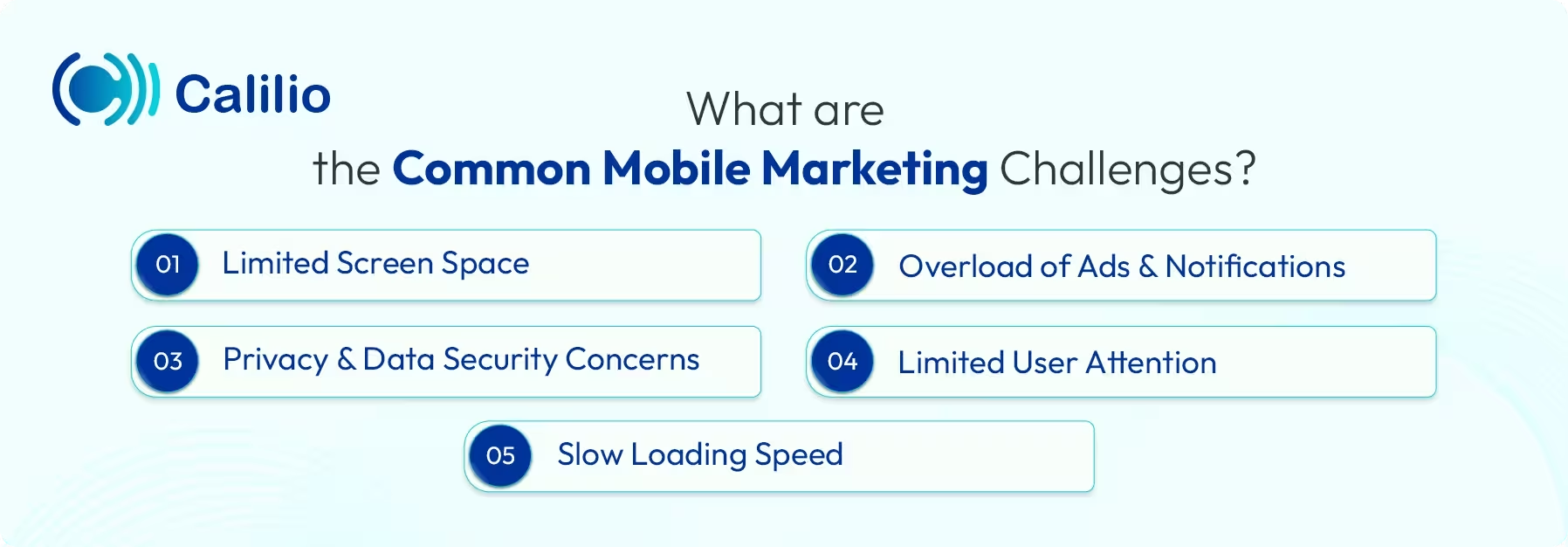
1. Limited Screen Space
Mobile devices have limited screen space compared to desktops, which limits the space for text, images, and design elements. If businesses try to fit too much content into a small screen, the layout becomes cluttered, buttons become difficult to click, and users may leave the site quickly.
Solution: Businesses should adopt a mobile-friendly design approach. Content must be structured with short paragraphs, clear headings, and large touch-friendly buttons. Simplifying navigation menus, reducing form fields, and using high-quality but compressed images can significantly improve usability.
2. Overload of Ads and Notifications
Excessive promotional messages can frustrate users, causing them to mute notifications, unsubscribe from emails, or even uninstall the app. It can make customers feel that the business is more interested in sales than in providing value, which may harm loyalty and decrease repeat interactions over time.
Solution: Send relevant messages instead of frequent ones. Segment users by behavior and preferences, time notifications when they’re most active, and offer real value, such as exclusive deals or helpful reminders, so messages feel useful.
3. Privacy and Data Security Concerns
Mobile marketing relies on user data such as location, browsing behavior, and purchase history. With growing concerns about privacy, users expect businesses to handle their information responsibly. Any misuse or data breach can harm trust and damage a company’s reputation.
Solution: Be transparent about data use, obtain user consent, and provide easy options to manage privacy settings. Use strong security measures, including encryption and secure payment systems, to maintain trust and comply with regulations.
4. Limited User Attention
Mobile users scroll quickly through apps, social media feeds, and websites, often spending only a few seconds on any content. If messages aren’t immediately engaging or easy to understand, they are likely to be ignored, reducing campaign effectiveness and lowering conversions.
Solution: Use concise, attention-grabbing headlines, strong visuals, and clear calls-to-action. Provide immediate value, such as exclusive offers, helpful tips, or timely updates, to capture interest and encourage users.
5. Slow Loading Speed
Mobile users expect websites and apps to load within seconds. Slow-loading pages lead to high bounce rates and lost sales opportunities. The common causes of delay are heavy images, unoptimized code, and poor server performance.
Solution: Optimize images and media, remove unnecessary scripts, and use fast, reliable hosting. Regularly test performance on different devices to ensure quick, seamless experiences.
What are the Best Practices for Effective Mobile Marketing?
To succeed in mobile marketing, businesses should understand their target audience and prioritize personalized messages that match their interests and behavior. It’s also helpful to use multiple channels together, track performance regularly, measure results carefully, and optimize the content for a smooth and seamless mobile experience.
- Understand Your Target Audience: Research your audience’s behavior, preferences, location, and device usage before launching campaigns. It helps you create relevant content that connects with them and increases engagement.
- Optimize for Mobile-first Experience: Ensure your website, emails, and landing pages are fully responsive and load quickly on mobile devices. A smooth, fast, and user-friendly mobile experience reduces bounce rates and improves conversions.
- Personalize Your Messages: Use customer data such as past purchases, browsing history, or location to deliver relevant and timely messages. It helps increase relevance, improve engagement, and makes customers feel valued rather than targeted randomly.
- Use Multi-channel Integration: Combine SMS, push notifications, social media, email, and mobile ads to create a consistent brand message across platforms. A unified approach increases brand recognition and strengthens customer trust.
- Time Your Messages Strategically: Send messages at appropriate times based on user behavior and time zones. Avoid sending too many notifications, as this can lead to unsubscribes or app uninstalls.
- Ensure Data Privacy and Compliance: Always handle customer data responsibly and get clear consent before sending any messages. Make sure to follow all data protection regulations and give users easy ways to opt in and opt out of the messages.
- Track Performance and Measure Results: Monitor key metrics such as open rates, click-through rates, conversion rates, and ROI. It helps refine your strategy and achieve better long-term results.
Conclusion
Mobile marketing is the practice of reaching and engaging customers through their mobile devices using targeted, real-time communication strategies. It helps businesses connect with audiences personally and instantly through channels such as SMS, push notifications, mobile apps, and social media.
However, mobile marketing also comes with challenges such as limited screen space, short attention spans, privacy concerns, and notification fatigue. To run effective campaigns, businesses must focus on clear messaging, personalization, proper timing, and data compliance.
Calilio’s business phone system helps businesses achieve the above requirements easily. It includes business texting features that enhance your mobile marketing strategy. For instance, you can send SMS or MMS to your customers at a low-cost through the platform. Plus, it allows you to schedule text messages to send offers, event reminders, or campaign updates at the right time.



Summarize this blog with:
Frequently Asked Questions
How often should businesses update their mobile marketing strategies?
Businesses should review their mobile marketing strategies at least quarterly to evaluate performance and adjust based on data. Smaller optimizations can be made monthly, while major updates should be done when there are changes in trends, technology, or customer behavior.
Is mobile marketing cost-effective for small businesses?
What common mistakes should be avoided in mobile marketing?
How can businesses measure the success of mobile marketing?

Still have questions?
Can’t find the answer you’re looking for? Please chat with our friendly team.
Stay in the loop
Get the latest call insights, trends, and updates delivered straight to your inbox.
By subscribing, you agree to receive updates from Calilio.
You can unsubscribe anytime.
Enter the World of AI Business Phone System with Calilio
Improve your business operation with Calilio's advanced virtual phone system. Join today for a better way to connect.