- Partners
- Contact Us
- Log in
What is Fixed VoIP? How Does It Work?


VoIP (Voice over Internet Protocol) has transformed business communication by replacing traditional landlines with internet-based calling. It reduces costs, supports modern features, and allows teams to stay connected across devices and locations. However, flexibility alone doesn’t solve every business need. Many organizations still rely on phone numbers tied to a real location to build trust, meet compliance requirements, and ensure accurate emergency call routing.
This is where fixed VoIP comes in. It combines the cost savings and features of VoIP with a phone number linked to a verified physical address, offering a reliable and credible caller identity without depending on outdated landline infrastructure.
In this guide, you’ll learn what fixed VoIP is, how it works, how it differs from non-fixed VoIP, and when it makes sense for your business. We’ll also cover its benefits, limitations, setup steps, and best practices to help you decide if fixed VoIP is the right communication solution for your organization.
Key Highlights:
Fixed VoIP is an internet-based phone service where the number is linked to a real physical address.
It provides stronger security, better emergency support, and a more reliable caller ID, making it an excellent fit for businesses looking for a strong local presence.
To set up a fixed VoIP, first choose a reliable VoIP provider, select a local number, verify your address, and then activate the line on your device.
Some of the limitations of fixed VoIP include being tied to one address, slower activation, higher long-distance costs, and limited flexibility when expanding into new regions.
To build an effective fixed VoIP setup, prioritize voice traffic on your network, keep voice and data traffic separate, and use wired connections whenever possible.
What is Fixed VoIP?
Fixed VoIP is a type of VoIP where numbers are linked to a specific physical location for reliability. Unlike standard or non-fixed VoIP, which can be used from anywhere with an internet connection, fixed VoIP remains tied to a permanent location, much like a traditional landline, but with the flexibility and features of internet-based communication.
A fixed VoIP system operates through a location-verified phone number that works on VoIP phones, computers, or mobile apps with an internet connection. Also, since the number behaves like a traditional landline, it offers better caller verification and more reliable emergency (911) routing.
How Does Fixed VoIP Work?
Fixed VoIP follows the same calling process as standard VoIP, but with address-based verification.
A fixed VoIP service links your phone number to a registered physical address and carries calls over the internet connection. When you speak, your voice is converted into digital data and sent to the VoIP provider. The provider then routes the call over the internet or through traditional phone systems (PSTN), depending on the destination. The receiving phone converts the data back into clear audio.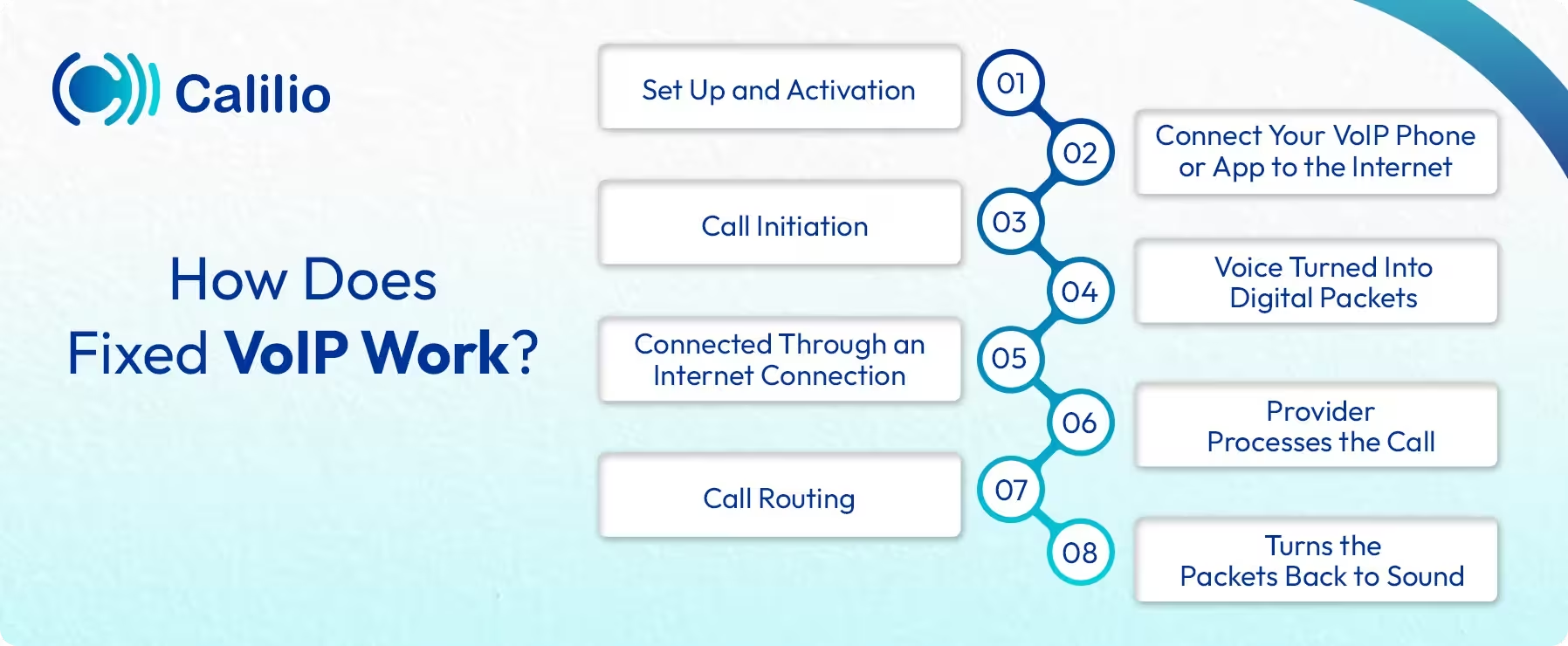
- Set Up and Activation: First, you set up your service with a VoIP provider. During activation, the provider links your phone number to your home or office address.
- Connect Your VoIP Phone or App to the Internet: Plug in a VoIP desk phone, use an adapter with a regular phone, or install a VoIP app. Once connected to your router, the device is ready to send and receive calls online.
- Call Initiation: You place a call just like you would on any phone system, and the device begins sending your voice as data.
- Voice Turned Into Digital Packets: As you speak, the phone changes your voice into tiny digital packets so the sound can travel over the internet.
- Connected Through an Internet Connection: Your router sends these packets to your VoIP provider the same way it sends any other online data.
- Provider Processes the Call: The VoIP provider receives the packets and identifies the number you dialed. The system reassembles the packets, checks the destination number, and prepares to route the call.
- Call Routing: If the other person also uses VoIP, the call stays entirely online. If they’re on a mobile or landline, the provider hands the call off to the traditional phone network (PSTN).
- Turns the Packets Back to Sound: The packets are converted back into clear audio on the other side, allowing the person to hear your voice like a regular phone call.
How Does Fixed VoIP Differ from Non-Fixed VoIP?
Fixed VoIP ties the number to a real address, giving it stronger trust and better emergency support. While non-fixed VoIP isn’t linked to a location, it offers more flexibility but comes with a higher spam risk and less location accuracy. Overall, fixed VoIP suits stable local businesses, while non-fixed VoIP fits mobile or distributed teams.
Feature | Fixed VoIP | Non-Fixed VoIP |
| Address Requirement | Fixed VoIP requires a real business or home address to verify the identity behind the line. | During setup, non-fixed VoIP doesn’t require a real or verified address. Users can choose any area code or location. |
| Location Dependency | The number represents one fixed verified location, giving callers a sense of where the business is based. | The number isn’t registered to a real location. |
| Trust & Credibility | Since verified addresses are required for activation, people can trust the caller. | As the location is unidentified, there is a chance of fraud. |
| Address Requirement | Fixed VoIP requires a real business or home address to verify the identity behind the line. | During setup, non-fixed VoIP doesn’t require a real or verified address. Users can choose any area code or location. |
| Emergency Services (911) | Emergency calls can be routed based on the registered address, helping responders reach the correct location. | Emergency calls may not automatically show the caller’s location, so the user must give their address manually. |
| Best For | A stable business that wants a localized or location-specific brand identity. | Growing, remote, or mobile teams with distributed teams. |
What are the Benefits of Fixed VoIP?
Fixed VoIP delivers cost-effective, internet-based calling while maintaining a trusted local identity for your business. It also supports secure communications, emergency call routing tied to a physical address, and smooth connectivity with regional carriers.
- Local Presence and Credibility: A fixed VoIP number is tied to a geographic location, making your business appear local to customers. This builds trust and strengthens your professional image, even if your team works remotely.
- Cost Efficiency: Fixed VoIP reduces the need for traditional phone lines and expensive hardware. Calls are routed over the internet, lowering both domestic and international calling costs.
- Improved Security: Calls over a fixed VoIP system are often encrypted, protecting sensitive business conversations. This setup also helps prevent misuse, makes calls easier to trace, and adds accountability.
- Emergency 911 Routing: Since fixed VoIP numbers are linked to a physical location, they allow emergency services to identify your address accurately. This ensures faster response times in case of emergencies.
- Better Compatibility with Local Carriers: If your area has regional telecom providers, fixed numbers blend better with their systems. You’re less likely to face caller-ID mismatches, spam risk, routing delays, or number-ownership questions.
- Reliable Call Quality: With a stable business internet connection, fixed VoIP delivers clear, consistent audio so calls feel dependable and interruption-free.
- Regulatory Compliance: Fixed VoIP numbers meet verification and compliance requirements because they’re linked to a real, verified address. As a result, they’re accepted by industries and regions that require stricter identification standards.
Who Should Use Fixed VoIP?
Fixed VoIP is ideal for businesses and organizations that operate from a fixed location and need a trusted, location-based phone number. This includes local businesses, offices, industries that require verified caller IDs, organizations handling sensitive calls, and places like schools or factories for whom accurate location routing matters.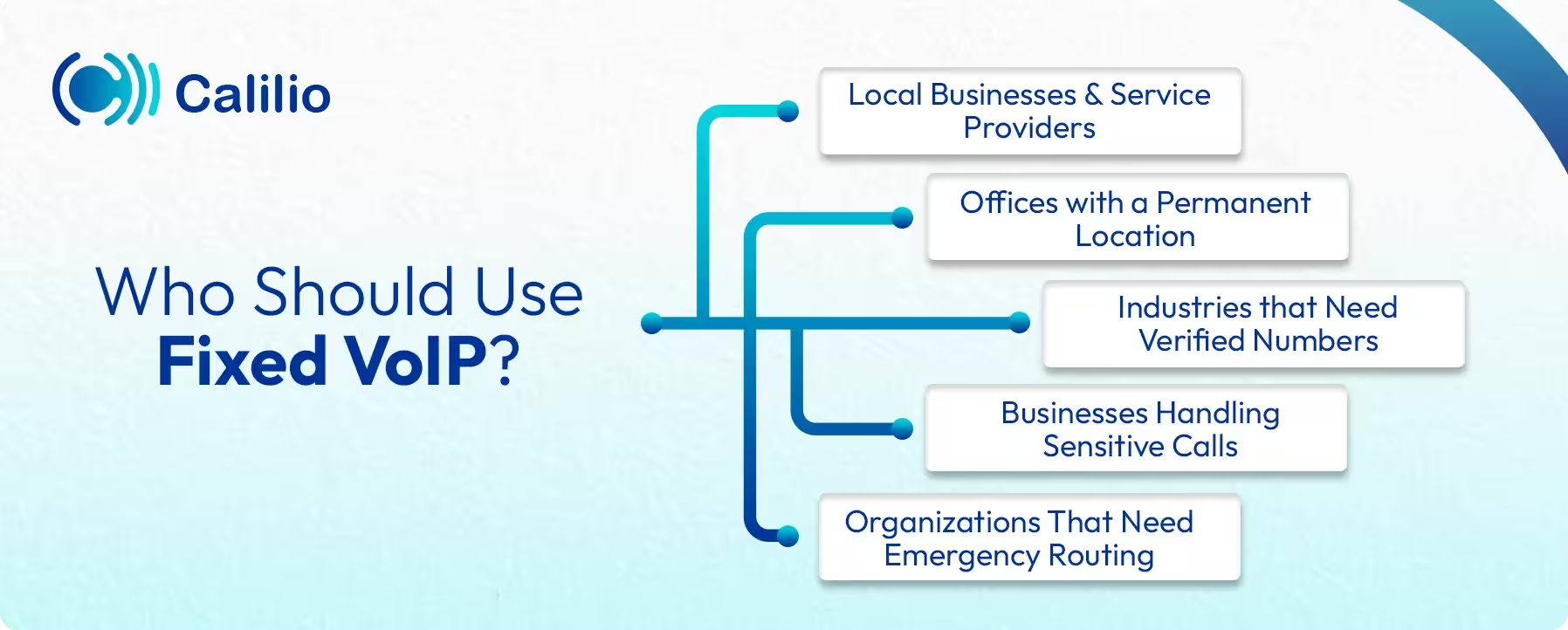
- Local Businesses and Service Providers: Shops, clinics, and service-based companies benefit from a fixed VoIP number because customers trust local numbers more. It strengthens their presence in the community and improves answer rates.
- Offices with a Permanent Location: Small and mid-sized offices that work from the same place need a steady business line. Fixed VoIP gives them a consistent number that customers can rely on.
- Industries that Need Verified Numbers: Banks, healthcare providers, and real estate agencies often require secure and traceable numbers. Fixed VoIP supports verified caller IDs and reduces the risk of call blocking.
- Businesses Handling Sensitive Calls: Companies that deal with confidential information prefer fixed VoIP for its stability and location-linked identity. It adds an extra layer of trust to every call.
- Organizations That Need Emergency Routing: Organizations like schools, colleges, and factories that may frequently need fast emergency response should use fixed VoIP. Since the location is fixed, emergency calls are routed to the nearest local services, and it's also easier to identify the caller’s location.
How to Set Up a Fixed VoIP?
To set up fixed VoIP, choose a VoIP provider that supports fixed numbers and sign up. Next, select a local fixed VoIP number, complete the required verification, and assign the number to your devices. Finally, test incoming and outgoing calls, and go live while monitoring call quality and performance.
Step 1: Choose a Fixed VoIP Provider
Select a provider that offers fixed VoIP. The provider should support address verification, local number availability, and essential business calling features.
Step 2: Sign Up and Create Your Account
After choosing a provider, sign up on their platform. During signup, you’ll usually add basic details and user information.
Step 3: Pick Your Number and Area Code
Choose the type of number that fits your needs, such as a local or toll-free number. Then, select the city or region that matches your registered service address.
Step 4: Complete Verification Requirements
You may need to submit business details or address documents depending on local regulations.
Step 5: Set Up Users and Devices
Configure the number on your devices. You can connect desk phones, softphones, or mobile apps.
Step 6: Test Incoming and Outgoing Calls
Make test calls to check audio quality, caller ID display, and call routing. Testing helps identify issues early and ensures your number works as expected before full use.
Step 7: Go Live and Monitor Performance
Once testing is complete, start using the system for calls. Regularly monitor quality for optimal performance.
What are the Cons of Fixed VoIP?
Fixed VoIP is slower to set up due to verification requirements and comes with limited flexibility when expanding into new regions. Long-distance and international calls may also cost more compared to non-fixed VoIP services.
- Limited Mobility: A fixed VoIP number stays tied to a verified physical address. If your team works from multiple places or you relocate, you must update the address with your provider. This adds extra steps whenever your operations change.
- Longer Setup Process: Due to the requirement of address verification before activation, onboarding can take longer than non-fixed VoIP, which activates almost instantly.
- Higher Long-Distance Charges: Since the number is linked with one region, long-distance and international calls may cost more. This becomes noticeable if you frequently call customers outside your area. Over time, these extra charges can add up.
- Harder to Scale: A fixed VoIP number must be linked to a verified local address. So, businesses often need a new number with separate verification for every new location.
Get the Reliability of a Local Number with the Convenience of Internet-Based Calling
Best Practices for an Effective Use of Fixed VoIP
To get the best results from a fixed VoIP setup, prioritize voice traffic on your network and use a dedicated VLAN. Connect desk phones through wired Ethernet to maintain clear and stable call quality. In addition, secure the system with strong passwords and use reliable hardware to avoid any potential connectivity issues.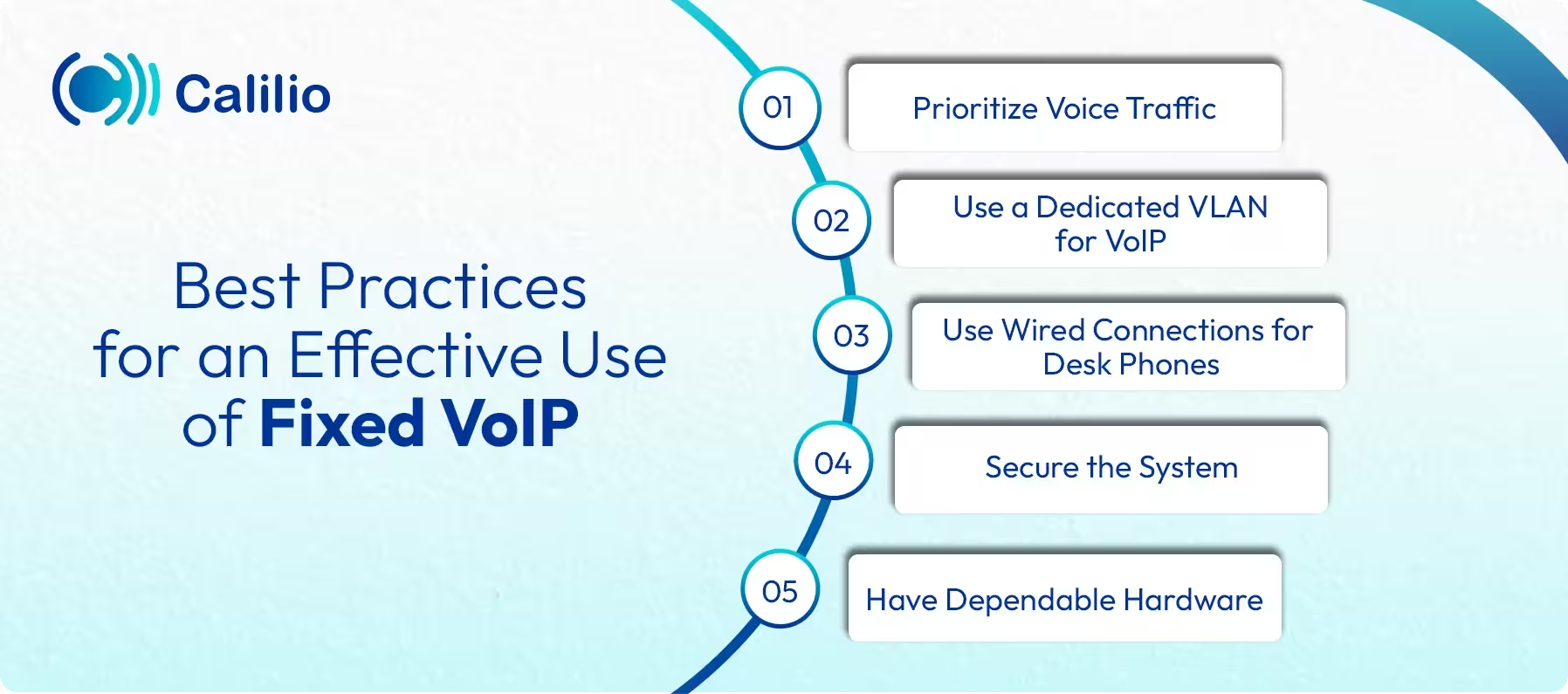
- Prioritize Voice Traffic: Set your network to prioritize voice packets so calls stay smooth all the time. This helps reduce delay, jitter, and audio dropouts.
- Use a Dedicated VLAN for VoIP: To prevent congestion and keep call quality steady, separate voice and data packets. Place your VoIP devices on a separate Virtual Local Area Network (VLAN), so voice traffic doesn’t compete with regular data.
- Use Wired Connections for Desk Phones: Whenever possible, connect desk phones using Ethernet instead of Wi-Fi. A wired connection is more stable and reduces the chances of choppy or inconsistent audio.
- Secure the System: Protect your VoIP setup by using strong passwords, keeping firmware updated, and limiting external access through your firewall. Enabling encryption adds another layer of safety for your calls.
- Have Dependable Hardware: Use reliable business-grade phones and routers to maintain consistent performance.
Conclusion
A fixed VoIP number links your phone number to a verified address. It helps build trust, ensures consistent call routing, and supports services like emergency calling. This setup suits offices and teams that operate from a fixed location.
However, if your business serves a global audience or operates across multiple regions, a non-fixed VoIP option offers more flexibility. Calilio offers such non-fixed VoIP numbers that allow you to maintain a local presence, while also allowing you to operate from separate locations. You can get the local phone number of your desired country and region without being tied to that specific area.



Summarize this blog with:
Frequently Asked Questions
Is fixed VoIP better than non-fixed VoIP?
The better option between fixed and non-fixed VoIP depends on your business needs. Fixed VoIP works better when a business needs stability, local presence, and verified calling, whereas non-fixed VoIP suits businesses with remote teams, global operations, and users who move frequently.
Does fixed VoIP support emergency calling?
Can I switch from a fixed VoIP number to a non-fixed one?

Still have questions?
Can’t find the answer you’re looking for? Please chat with our friendly team.
Stay in the loop
Get the latest call insights, trends, and updates delivered straight to your inbox.
By subscribing, you agree to receive updates from Calilio.
You can unsubscribe anytime.
Enter the World of AI Business Phone System with Calilio
Improve your business operation with Calilio's advanced virtual phone system. Join today for a better way to connect.