- Partners
- Contact Us
- Log in
Inbound Calling: How to Manage Customer Calls?

Inbound calls are a critical communication channel where customers proactively contact a business for inquiries, support, or purchase-related assistance.
When handled effectively, inbound calls do more than resolve issues; they create positive customer experiences, build trust, and strengthen long-term relationships.
In this article, we’ll break down what inbound calls are and how inbound calling works. You’ll also learn about the different types of inbound calls, how they differ from outbound calls, and proven strategies to manage inbound calls efficiently for better business outcomes.
Highlights:
An inbound call is a phone call that is initiated by a customer or prospect to a business.
Inbound calls include sales inquiries, customer support requests, service bookings, and general information calls from existing or potential customers.
It helps businesses engage warm leads, build trust through real-time interaction, and improve customer satisfaction and retention.
Inbound calls are initiated by customers seeking help or information, while outbound calls are initiated by businesses for sales, follow-ups, or outreach.
A feature-rich business phone system with IVR (Interactive Voice Response), intelligent call routing, CRM (Customer Relationship Management) integration, call monitoring, and well-trained agents ensures every inbound call is handled efficiently.
What is an Inbound Call?
An inbound call is a phone call that a customer or potential customer makes to a business to ask for information, request support, or get help with a specific issue. These calls come from various sources, such as a company’s website, advertisements, customer support numbers, or click-to-call options. Because the caller is the one taking the first step, these incoming calls are often seen as high-intent opportunities.
How Do Inbound Calls Work?
Inbound calls occur when a customer dials a business phone number seeking support, information, or assistance. Depending on the business setup, calls can be handled directly by a receptionist, a trained agent, or routed through an automated system to ensure efficient handling.
- Caller dials the number: A customer calls the company’s phone number to get help or information.
- Call reaches the system: The call is received by the receptionist, the company’s business phone system or inbound call center software.
- IVR/auto-attendant: If enabled, an IVR system or auto-attendant presents an automated menu to guide the caller to the appropriate department or service.
- Call routing: Based on the caller’s selection or predefined call routing rules, the system automatically directs the call to the most suitable available agent, team, or department.
- Agent answers: A trained agent receives and answers the call.
- Call handling: The agent assists the caller by solving their issue, answering questions, or transferring the call.
- Call ends and follow-up: The call is logged, and any required follow-up actions are completed.
What are The Types of Inbound Calls?
The major types of inbound calls are customer support, sales inquiries, technical assistance, billing and account issues, and order-related requests. They also include appointment scheduling and general information inquiries.
- Customer Support Calls: Calls made by customers who need help with an existing product or service, such as troubleshooting issues, resolving complaints, or asking usage-related questions.
- Sales Inquiry Calls: Calls from potential customers who want information before making a purchase, such as pricing, features, availability, or comparisons.
- Service or Appointment Calls: Calls related to booking, rescheduling, or canceling appointments or services, commonly seen in healthcare, salons, real estate, and professional services.
- Order-Related Calls: Calls about placing new orders, tracking existing orders, making changes, or resolving delivery or payment concerns.
- Billing and Account Calls: Calls focused on invoices, payments, refunds, account updates, or subscription-related questions.
- Technical Support Calls: Calls where customers need assistance with technical problems, setup issues, or system errors.
- General Information Calls: Calls from people seeking basic information such as business hours, location, policies, or additional contact details.
What is the Difference Between Inbound and Outbound Calls?
The main difference between inbound and outbound calls is who starts the conversation. Inbound calls are initiated by customers seeking support, information, or to make a purchase, while outbound calls are made by businesses to contact customers or prospects for sales, follow-ups, or promotions.

Aspects | Inbound Calls | Outbound Calls |
| Initiator | The Customer | The Business |
| Purpose | To seek support, ask questions, and get information | To promote products, make sales, conduct surveys, or follow up |
| Customer Expectation | High – they are looking for assistance | Low to moderate – they may not expect the call |
| Common Use Cases | Customer support, inquiries, bookings, and issue resolution | Sales outreach, reminders, surveys, lead follow-ups |
| Conversion Potential | High due to strong intent | Influenced by audience relevance, timing, and how well the call is handled |
What are the Benefits of Inbound Calls for Businesses?
Inbound calls help businesses achieve higher conversion rates by connecting with warm leads who are already interested in a solution. They further help in customer retention, provide valuable insights into customer needs, and create natural opportunities for upselling and cross-selling.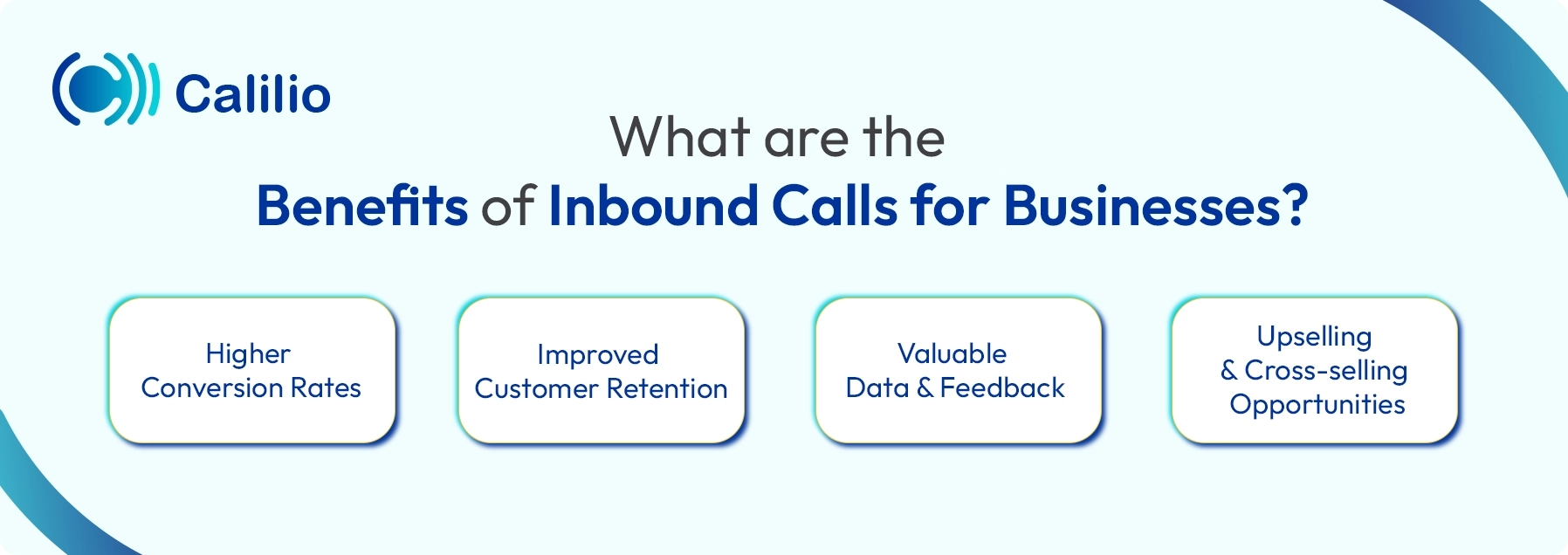
- Higher Conversion Rates: Many inbound callers are warm leads who actively seek a solution, making them far more likely to convert than cold prospects. Because they are already in the buying journey, inbound calls consistently produce higher sales conversion rates than outbound outreach.
- Improved Customer Retention: Inbound calls play a critical role in customer service, as fast and effective handling of issues directly impacts customer satisfaction. Resolving problems on the first call and making customers feel heard significantly increases loyalty and long-term retention.
- Valuable Data and Feedback: Every inbound call provides insight into customer needs, pain points, and recurring issues. Analyzing call trends and customer responses helps businesses improve products, prevent larger problems, and refine strategies.
- Upselling and Cross-selling Opportunities: Inbound support calls create natural opportunities to recommend relevant upgrades or complementary products based on the customer’s immediate needs.
What are the Common Challenges in Handling Inbound Calls?
Handling inbound calls can be challenging due to high call volumes, long wait times, and inefficient call routing, which often lead to customer frustration and unresolved issues. Limited agent availability, lack of preparedness, and difficulty in tracking call data further impact service quality and overall performance.
- High Call Volume: During peak hours, a large number of inbound calls can overwhelm available agents. This often leads to long wait times, missed calls, and frustrated customers.
- Long Waiting Times: When callers are kept on hold for too long, customer satisfaction drops, and many abandon the call before reaching an agent. These abandoned calls can lead to lost sales opportunities and unresolved support issues.
- Inefficient Call Routing: Calls that are not directed to the correct department or agent cause repeated call transfers. This wastes time for both customers and agents and reduces First Call Resolution (FCR).
- Agent Preparedness: Agents must have thorough knowledge of products, services, and policies to answer queries accurately. Lack of preparation can result in incorrect information or unresolved issues.
- Limited Agent Availability: A shortage of trained agents can make it challenging to handle calls promptly, especially during busy periods or sudden increases in demand.
- Tracking and Analyzing Data: Inbound call tracking is crucial for improving processes, but can be complex without proper tools.
Manage High Volume of Incoming Calls Effortlessly with Calilio!
Call Management Features to Handle Inbound Calls
To handle inbound calls effectively, businesses should use a phone system with shared numbers, IVR, and smart call routing to connect callers to the right agents quickly. Also, combine organized queues, call recording, sentiment analysis, CRM integration, agent training, and proper staffing to ensure efficient, personalized, and high-quality customer service.
- Use a Business Phone System with Shared Numbers: A business phone system with shared numbers ensures calls are distributed among available agents instead of going unanswered. This improves response times and reduces the risk of missed customer inquiries.
- Set Up Business Hours: Defining business hours helps manage customer expectations and prevents calls from being missed outside working hours. After-hours calls can be handled using self-service IVR, voicemail with custom greetings, or call forwarding.
- Use an IVR System: An IVR system guides callers through menu options so they can reach the correct department quickly. This reduces wait times and improves overall call handling.
- Set Up Call Routing: Call routing directs inbound calls to the most appropriate agent based on skill, availability, or priority. Intelligent call routing minimizes call transfers and ensures faster, more accurate support.
- Maintain an Organized Call Queue: An organized call queue places callers in a structured waiting line when agents are busy and keeps them informed about estimated wait times. Further, offering a callback option allows customers to receive a return call instead of waiting on hold, reducing frustration and abandonment rates.
- Use Call Recording and Monitoring: Call recording enables businesses to review interactions for training, quality assurance, and compliance. Call monitoring features such as call whispering allow supervisors to coach agents in real time, while call barging lets managers step in when immediate assistance is needed.
- Apply Call Sentiment Analysis: Call sentiment analysis identifies customer emotions by analyzing tone and keywords during conversations. This helps businesses detect dissatisfaction and improve how agents handle sensitive situations.
- Monitor Call Metrics: Tracking KPI (Key Performance Indicators) such as Average Handle Time (AHT) and FCR helps identify service bottlenecks. Regular analysis of these metrics supports data-driven decisions related to staffing and workflow optimization.
- CRM Integration: Integrating the phone system with a CRM allows agents to view the caller’s history instantly through screen pop-ups. This prevents customers from repeating information and creates a more seamless, personalized experience.
- Train Agents Well: Well-trained agents communicate clearly, listen actively, and resolve issues more efficiently. Ongoing training ensures consistency, confidence, and alignment with company policies.
- Ensure Adequate Staffing: Maintaining proper staffing levels prevents long wait times and agent burnout. Analyzing call volume trends helps assign the right number of agents during peak periods.
Conclusion
Every inbound call is a chance to help a customer, solve a problem, or close a deal. When managed effectively with the right tools, processes, and trained agents, inbound calls can improve customer satisfaction, increase conversions, and strengthen long-term relationships.
To manage inbound calls effectively, businesses need a reliable and versatile communication platform. Calilio, a cloud-based business phone system, enables organizations to handle inbound calls efficiently with features such as shared phone numbers, business hours management, IVR, call analytics, sentiment analysis, and real-time monitoring.



Summarize this blog with:
Frequently Asked Questions
What are inbound calls?
Inbound calls are incoming calls made by existing customers or prospects, primarily for customer service and support.
How is an inbound call different from an outbound call?
How to effectively handle inbound calls?
What is the ideal response time for inbound calls?
Can inbound calls be handled remotely?

Still have questions?
Can’t find the answer you’re looking for? Please chat with our friendly team.
Stay in the loop
Get the latest call insights, trends, and updates delivered straight to your inbox.
By subscribing, you agree to receive updates from Calilio.
You can unsubscribe anytime.
Enter the World of AI Business Phone System with Calilio
Improve your business operation with Calilio's advanced virtual phone system. Join today for a better way to connect.