
What is actually happening?
The PSTN is the analogue network of copper wires and telephone exchanges the UK has used since the 1800s. BT Group is retiring it because it's old, expensive to maintain, and can't carry the bandwidth modern services need. Everything moves to digital, IP-based services instead — calls travel over the internet rather than dedicated copper lines.
Alongside the network itself, Openreach is withdrawing every product that runs on it — the Wholesale Line Rental (WLR) products your phone provider resells to you. That's why your provider may have already written to you about migration, and why legacy line rental prices have been rising: Openreach has confirmed tiered price increases on legacy WLR products in the run-up to the deadline.
| HOW WE GOT HERE | |
| 2017 | BT announces its intention to retire the PSTN, with December 2025 as the original switch-off date. |
| Sept 2023 | "Stop sell" takes full effect — providers can no longer sell new PSTN-based products anywhere in the UK. |
| May 2024 | The deadline is pushed back 13 months to 31 January 2027, after serious incidents involving vulnerable telecare users during migrations prompted more caution across the industry. |
| July 2026 | Openreach launches its "Big Switch Off" campaign at the six-month mark, estimating 1.5 million lines still on copper — including ~350,000 business premises — and confirming no further extension. |
| 31 Jan 2027 | The PSTN and all Wholesale Line Rental (WLR) products are withdrawn. Anything still on copper stops working. |
What stops working on 31 January 2027
The obvious casualty is the traditional landline. But the bigger risk for businesses is the equipment that quietly depends on a copper line — services that often sit outside normal IT planning, which is why so many firms don't realise they're exposed:
✕
✕
✕
✕
✕
✕
✕
✕
What happens if you wait?
Openreach's warning to late movers is blunt: those who leave it to the final weeks risk avoidable disruption and cost. In practice, waiting means three things:
1
2
3
Your 4-month migration checklist
Four months is still enough time to migrate calmly — if you start now. Here's the order to do it in:
1
2
3
4
5
The replacement: cloud phones
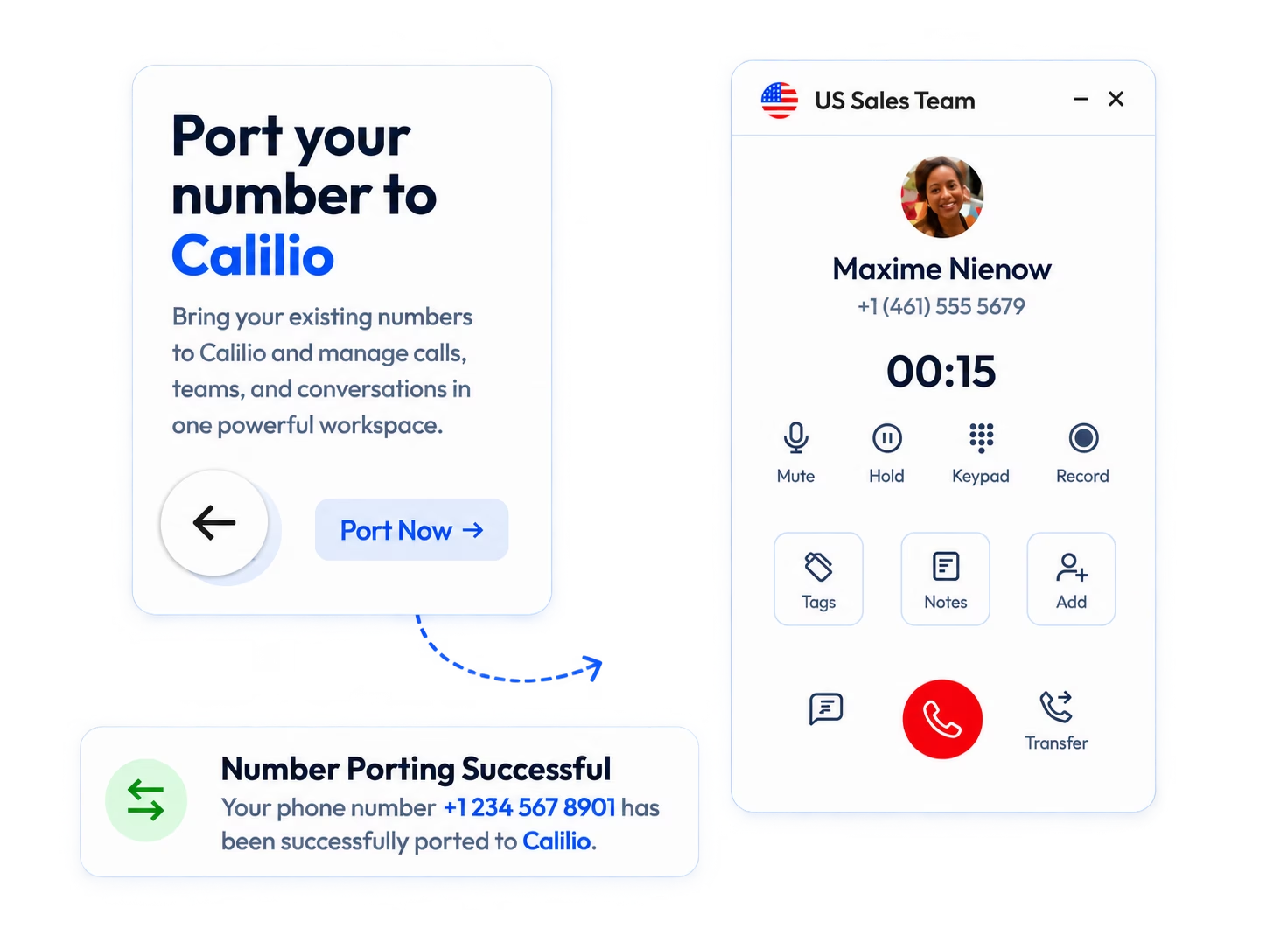
Moving from the PSTN to a cloud phone system changes where your calls are handled rather than taking your business number away. Your existing number can be ported to the new provider, while calls can be answered through desktop, mobile or compatible desk phones and managed through software instead of copper-line hardware.
Legacy PSTN | Cloud Phone System |
| One line, one desk, one place to answer | Answer on mobile, desktop or desk phone — anywhere |
| Engineer visits and new wiring for changes | Changes made in a dashboard in minutes |
| Missed call = lost caller | IVR, ring strategies and AI answering catch every call |
| Rising WLR line rental on a closing network | From $12/user/month billed annually, all features included |
| No record of who called or why | Call history, recording and AI call summaries |
Move Your Business Calls Off Copper
Port your existing numbers to Calilio, build your call flow and IVR, and answer calls from desktop, mobile or AI before the PSTN deadline.