How to Block Numbers on iPhone & Android (Step-by-Step Guide)


Unwanted calls and messages from telemarketers, scammers, or unknown numbers can quickly become frustrating. With the rise of robocalls and spam messages, many smartphone users find themselves constantly declining calls or ignoring texts they never signed up for.
These interruptions can happen at any time, making it harder to focus on work, relax, or trust unknown calls that might actually be important. Plus, it also makes it difficult to distinguish legitimate calls from potential scams, which ultimately raises concerns about privacy and security.
Fortunately, modern smartphones include built-in features that let you block unwanted numbers quickly and easily. So, in this guide, we’ll show you how to block a number on iPhone and Android, along with other ways to reduce spam calls and manage blocked contacts effectively.
Key Highlights:
Blocking a number on iPhone or Android prevents calls, messages, and other contact attempts from reaching you without notifying the sender.
On iPhone, messages from blocked numbers are discarded, while Android devices typically store them in a spam or blocked folder for optional review.
Besides manual blocking, features like AI call screening, Silence Unknown Callers, carrier spam filters, and third-party apps help automatically reduce unwanted calls.
Carrier-level protections and community-based call screening apps such as Truecaller or Hiya use large databases to detect robocalls, spoofed numbers, and spam callers.
You can easily unblock numbers through your phone’s blocked list in Settings, restoring the ability for that contact to call or message you again.
How to Block a Number on iPhone?
To block a contact on an iPhone, you can select the number from your recent call history or a text conversation and choose the blocking option at the bottom of the caller’s info page. Alternatively, if the number is saved as a contact, select it from the contact list and block it.
Here are the detailed steps to block a number on an iPhone:
1. From Your Recent Calls
- Open the Phone app.
- Find the contact/number you want to block.
- Tap on the user icon on the left side of the contact/number.
- Scroll down and select "Block Contact".
- Confirm by tapping Block Contact, highlighted in red, in the pop-up message.
2. From the Messages
- Open the Messages app.
- Select the conversation with the number you wish to block.
- Tap the user icon, contact name or the number at the top.
- Tap Block Contact, highlighted in red.
- Confirm by tapping on Block Contact in the pop-up message.
3. From the Contacts
- Open the Contacts app.
- Scroll or search to find the contact you want to block.
- Tap on the contact's name.
- Scroll to the bottom of the screen.
- Press Block Contact.
- Confirm by tapping Block Contact in the pop-up message.
Note: The above steps are based on iOS 26, so the steps can vary depending on the iOS version and geographical region.
How to Block a Number on Android?
To block a contact on Android, you can select the number from your recent call logs or messaging list and choose the option to restrict or report it as spam. You can also manage this directly through your saved contacts by opening the specific entry and selecting the option to block the caller.
Nowadays, almost every Android phone uses the phone, messaging, and contacts app from Google. So, the basic steps for call, message, and contacts management are similar. However, some steps and terms can vary depending on different brands and Android versions.
Here are the specific steps you need to follow:
1. From Your Call History
On Samsung/Pixel:
- Open the Phone app > Recents.
- Tap the number you want to block.
- Tap the "i" (info) icon that appears.
- At the bottom of the screen, tap the Block icon (represented by a circle with a slash).
On Realme:
- Open the Phone app.
- Long-press the number you want to block.
- Tap the “Block or report”.
- Tap Block. Here, you also get the options to report the number as spam and/or a scam.
2. From Messages
- Open the conversation.
- Tap the three-dot menu (⋮) in the top right or the user icon on the top left.
- Select Block & report spam.
- Tap Yes with an option to report the number as spam.
Note: If you just want to block the number without opening the text, long-press the conversation in your main list. Then, tap three dot icon on the top right and select the Block. Lastly, tap Yes with the option to report the number as spam.
3. From Contacts
On Samsung:
- Open Contacts.
- Select the contact you want to block.
- Tap More (three dots) at the bottom right.
- Tap Block contact.
On Realme:
- Open Contacts.
- Select the contact you want to block.
- Scroll to the bottom and tap on Block Numbers, highlighted in red.
- Tap Block with an option to report as spam.
What Happens When You Block a Number?
Blocking a number stops calls, messages, and FaceTime requests from that contact without notifying them. While your phone effectively prevents the person from reaching you, the way blocked contact is handled can differ slightly between iPhone and Android devices.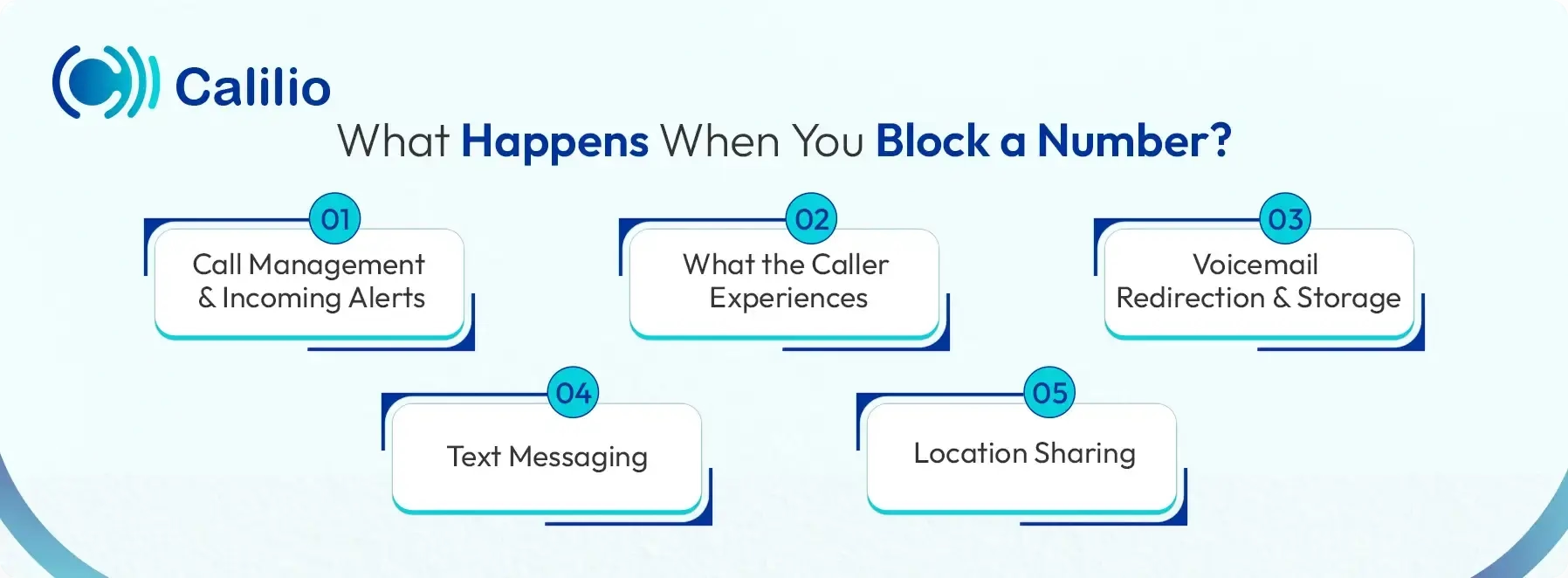 Here’s what typically happens when you block a number:
1. Call Management and Incoming Alerts
You won’t receive notifications for calls, messages, FaceTime requests, or other contact attempts. Plus, the caller is also not notified that they have been blocked, helping you avoid unnecessary confrontation.
2. What the Caller Experiences
For the person you blocked, it may appear as though your phone is unavailable or out of service. Their call may ring once or go directly to voicemail. If they attempt a FaceTime call, it may appear to ring on their end without ever showing on your device.
3. Voicemail Redirection and Storage
Blocked callers can still leave voicemail messages, but they won’t appear in your main inbox. On an iPhone, these are stored under the folder Blocked Messages/Voicemails at the bottom of the list. On many Android devices, they are redirected to a Spam or Blocked folder within the Phone or carrier app. To stop blocked numbers from leaving voicemail, you can contact your carrier provider or install third-party apps.
4. Text Messaging
Text messages are handled slightly differently between Android and iPhone. On an iPhone, messages from a blocked contact are discarded and never delivered, even if you unblock the number later. On Android devices, these messages are often stored in a Spam & Blocked folder so you can review them if needed.
5. Location Sharing
If you are sharing your location through services like Find My or Google Maps, the sharing usually stops automatically once the contact is blocked. The other person is not notified, but your location will no longer appear in their sharing list.
Get Rid of Unwanted and Spammy Calls with Calilio's Call Blocking Feature!
Alternative Methods to Stop a Number from Contacting You
Using system features, network-level blocking, or third-party apps are the best alternative methods to stop a number from contacting you.
1. Using System Features
Modern smartphones include built-in tools that automatically manage incoming calls based on your contact list and real-time spam detection. Instead of blocking numbers one by one, these system-level features act as a proactive filter, allowing only recognized or trusted callers to reach you while reducing interruptions from unknown numbers.
AI Call Screening
This feature answers unknown calls on your behalf and asks the caller to state their name and reason for calling. Then, it shows you the information of the caller, which allows you to review the caller’s intent and decide whether to answer, block the number, or ignore the call. However, this feature is available only in the latest smartphones with built-in AI capabilities.
Silence Unknown Callers
This feature automatically sends calls from numbers not saved in your contacts directly to voicemail without ringing your phone. On iPhone, you can enable it by going to Settings > Apps > Phone > Silence Unknown Callers. On many Android devices, you can find a similar option in the Phone app > Settings > Blocked numbers > Unknown.
2. Carrier-level Blocking
Mobile carriers often serve as the first line of defense against spam calls by filtering suspicious traffic before it reaches your device. Many providers offer built-in spam protection services through their official apps or online portals. For example, AT&T ActiveArmor, Verizon Call Filter, and T-Mobile Scam Shield use large carrier databases to detect and stop robocalls, spoofed numbers, and other high-risk callers.
Because this filtering happens at the network level, it can block unwanted calls before your phone even rings or receives a voicemail. These services analyze call patterns across millions of numbers, allowing carriers to identify and stop large-scale spam campaigns more effectively than device-level blocking.
In some regions, carriers also provide USSD dial codes that allow users to activate spam protection directly from the phone dialer. For instance, T-Mobile users can dial #662# to enable Scam Block. Such shortcodes communicate directly with the carrier’s network and allow users to quickly enable call protection without installing additional apps.
3. Third-party Call Screening Apps
When built-in system tools and carrier filters aren’t enough, third-party call-blocking apps can provide an additional layer of protection. These apps rely on large, community-driven databases where millions of users report and categorize suspicious numbers in real time. This collective data helps identify spam callers more quickly and gives users greater control over who can contact them.
Popular call-screening apps such as Truecaller, Hiya, and Whoscall act as a secondary verification layer by identifying callers that may not yet appear in your carrier’s spam database but have already been flagged by other users. When an unknown number calls, these apps can display the caller’s name, business details, or spam warnings before you answer.
Many of these apps also offer advanced blocking features. For example, users can block entire area codes, filter calls from private or unknown numbers, or use automated “answer bots” that respond to telemarketers and robocalls on your behalf. These extra tools can significantly reduce unwanted calls, especially in regions with high volumes of spam or scam activity.
How to Unblock a Blocked Number
To unblock a contact, you need to access your phone's "Blocked" list within the Settings menu. Once unblocked, the person can immediately call and text you again.
1. Unblocking on iPhone (iOS 26)
- From Settings: Go to Settings > Apps > Phone > Blocked Contacts. Find the number in the list, swipe left on it, and tap Unblock.
- From Contacts: Open the Contacts app, find the person you want to unblock, scroll to the bottom of their info page, and tap Unblock this Caller.
2. Unblocking on Android
On Samsung:
- Open the Phone app and tap the three-dot menu (⋮) in the top right.
- Tap Settings > Block numbers.
- You will see a list of blocked numbers. Tap the red minus (-) sign next to the number you wish to unblock.
On Realme:
- Open the Phone app and tap the three-dot menu or settings icon in the top left.
- Select Blocked numbers.
- Tap the "X" icon next to the number and confirm by selecting Unblock.
Tips for Managing Unwanted Calls & Messages
A combination of smartphone settings, cautious messaging habits, and proactive spam reporting can significantly reduce interruptions while keeping your personal number better protected.
- Avoid replying to suspicious text messages, such as sending “STOP” or clicking unknown links. Interacting with these messages can confirm to the sender that your number is active, which may result in even more spam.
- Use Do Not Disturb or Focus Mode to allow calls only from saved contacts. This ensures trusted people can still reach you while silencing unknown callers and background interruptions.
- When blocking a number, report it as Spam or Junk whenever possible. This helps improve the spam detection systems used by smartphone manufacturers and mobile carriers.
- Consider using a secondary phone number, like a virtual number, for online registrations, promotions, social media or public websites. This can help prevent your primary number from being collected by marketers or data brokers.
- Periodically review your Spam, Junk, or Blocked folders to ensure that important legitimate messages haven’t been filtered out by mistake.
Conclusion
Unwanted interruptions from scammers and telemarketers don’t have to be a permanent part of your daily life. By using the built-in blocking tools on your iPhone or Android device, you can quickly filter out unwanted calls and regain control over your time. Whether you choose to silence unknown callers or enable carrier-level protections, these features help create an essential layer of privacy and peace of mind.
As communication technology continues to evolve, staying proactive is the best way to keep your smartphone a helpful tool rather than a source of stress. Regularly reviewing your blocked list and taking advantage of AI-powered call screening can help you stay ahead of persistent robocalls and spam messages.



Summarize this blog with:
Frequently Asked Questions
Can I unblock a number?
Yes, unblocking a number is a simple process that can be done at any time through your device's settings. Once a contact is removed from your blocked list, they will regain the ability to call, text, and FaceTime you immediately.
Can someone tell if you blocked their number?
Will blocked messages be sent automatically after you’re unblocked?
How do you block a number not in your contacts?

Still have questions?
Can’t find the answer you’re looking for? Please chat with our friendly team.
Stay in the loop
Get the latest call insights, trends, and updates delivered straight to your inbox.
By subscribing, you agree to receive updates from Calilio.
You can unsubscribe anytime.
Enter the World of AI Business Phone System with Calilio
Improve your business operation with Calilio's advanced virtual phone system. Join today for a better way to connect.