
Warm Transfer vs Cold Transfer: When to Use Each?
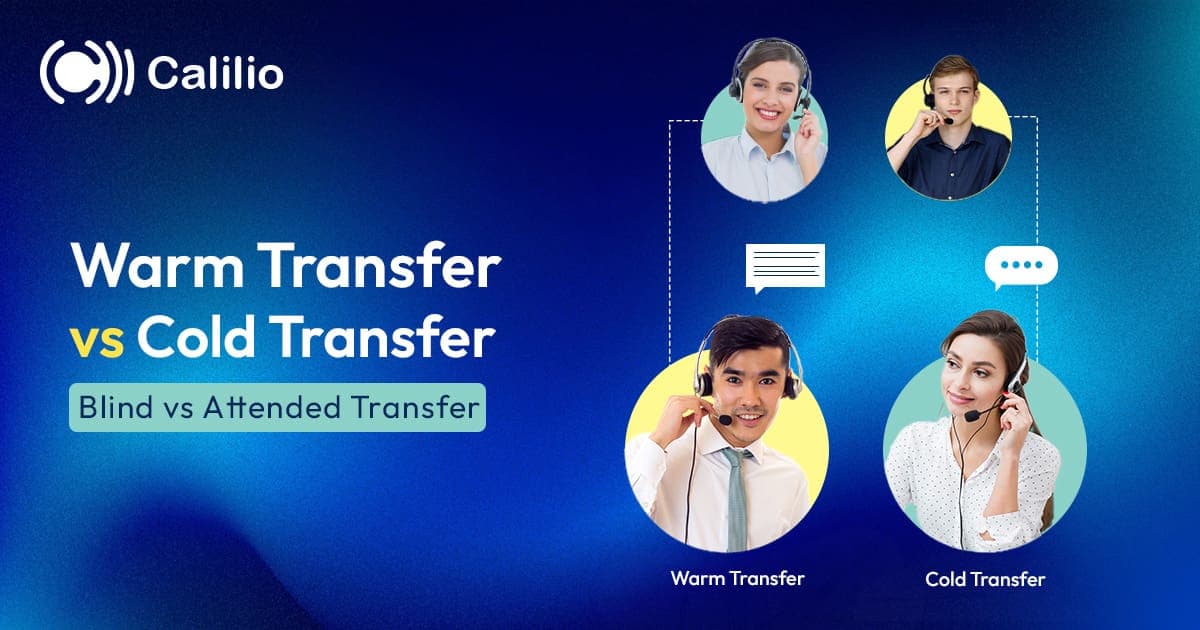

Call transfer is a normal part of business communication, but every transfer should not be handled the same way. When that handoff is not managed well, the caller may wait too long, explain the same issue again, or feel like the team is passing the call around without care.
A better transfer experience depends on choosing the right call transfer method for different situations. A warm transfer lets the first agent speak with the receiving agent to provide the call context before connecting the caller. It works best for complex, sensitive, or high-value conversations.
A cold transfer sends the caller directly without that live briefing, which makes it faster but gives the receiving agent less context. It works well for simple requests, direct department connections, or situations where speed matters more than a detailed handoff.
Key Highlights:
A warm transfer, also called an attended or consultative transfer, includes a brief conversation between the first agent and the receiving agent. It helps the receiving agent understand the issue before speaking with the caller.
A cold transfer, also called a blind or direct transfer, connects the caller without a live agent-to-agent briefing. It saves time when the request is simple, and the correct destination is already clear.
The main difference is context versus speed. Warm transfers provide a smoother handoff but take more agent time, while cold transfers connect the caller faster but may increase repetition or misrouting risk.
Most businesses need both transfer methods. Clear rules, caller consent, accurate routing, and a backup plan help agents choose the right option without creating transfer loops or leaving callers uncertain.
What Is a Warm Transfer?
A warm transfer happens when the first agent speaks with the receiving agent before connecting the caller. During that short conversation, the first agent shares the caller’s name, the reason for the call, any checks already completed, and the next action the caller expects. The transfer is completed only after the receiving agent confirms that they are ready.
The caller usually stays on hold while the agents speak. Because the next agent receives the essential background first, the caller can continue the conversation without starting again from the beginning. Warm transfers are especially useful when trust, accuracy, or a smooth escalation matters more than transfer speed.
How Does a Warm Transfer Work?
- The first agent listens and confirms why the caller needs another person or department.
- The agent explains the transfer and asks the caller to hold briefly.
- The first agent contacts the receiving agent and shares the essential details.
- The agents connect the caller once the recipient confirms they can take the call.
What Is a Cold Transfer?
A cold transfer happens when the first agent sends the caller directly to another agent, extension, department, or external number without speaking with the recipient first. The receiving agent gets no live briefing before answering, which is why the method is also called a blind transfer.
When the destination is correct and the request is straightforward, a cold transfer can be the fastest and most practical choice. However, the caller may need to explain the request again unless the phone system passes notes or caller details with the call.
How Does a Cold Transfer Work?
- The first agent identifies the correct person or department.
- The agent tells the caller where the call is going and why.
- The agent sends the call directly without contacting the recipient first.
- The receiving agent answers and gathers any details they still need.
Warm Transfer vs Cold Transfer: Key Differences
The main difference is how much context moves with the caller. A warm transfer includes a short agent-to-agent briefing and usually confirms that the recipient is available. A cold transfer skips that conversation, which speeds up routing but may leave the next agent with less information.
The comparison below shows where each method performs best and what teams should consider before using it.
Factor | Warm Transfer | Cold Transfer |
| Agent handoff | The first agent briefs the recipient. | No live briefing before connection. |
| Other names | Attended, consultative, or soft transfer. | Blind or direct transfer. |
| Caller repetition | Usually lower because key details are shared. | The caller may need to explain the issue again. |
| Transfer speed | It takes longer before the connection. | Connects the caller immediately. |
| Recipient availability | Confirmed before the handoff. | May be unknown unless the presence status is visible. |
| Best use | Complex, sensitive, emotional, escalated, or high-value calls. | Simple requests, direct department requests, and time-sensitive routing. |
| Main risk | Long hold time if the recipient is difficult to reach. | Wrong routing or lost context. |
| Customer experience | More personal and controlled. | Faster, but less personal if handled poorly. |
When Should You Use a Warm Transfer?
Use a warm transfer when the receiving agent needs context before speaking with the caller. The extra handoff time is worthwhile when a poor transfer could increase frustration, create risk, or force the caller to repeat a long explanation. It also gives the first agent a chance to confirm that the recipient is available and capable of handling the issue.
For example, a customer who has already explained a billing dispute should not have to repeat every detail to a second agent. A brief warm handoff lets the billing specialist begin with the account, issue, and expected next step already clear.
- The issue is complex and needs a specialist, supervisor, or another department.
- The call involves an important sales opportunity or an account that needs personal attention.
- The first agent has already collected details that the next agent will need.
- You need to confirm that the recipient is available before releasing the caller.
When Should You Use a Cold Transfer?
Use a cold transfer when the correct destination is clear, and the receiving agent does not need a detailed briefing. A well-handled cold transfer can save time without harming the caller's experience, especially when the caller asks for a known person, extension, or department. The first agent should still explain where the call is going before completing the transfer.
For example, a caller who asks to speak with Sales does not need a lengthy support handoff when no troubleshooting has taken place. Direct routing is more efficient as long as the destination is correct and the caller knows what to expect.
- The caller asks for a specific person, extension, or department.
- The request is simple, such as connecting sales calls to Sales or billing calls to Billing.
- The call is urgent, and the recipient is ready to handle the issue directly.
- Your team is handling a sudden call surge and needs faster routing.
- The business phone system already shows useful caller information or notes to the receiving agent.
Warm and Cold Transfer Examples and Scripts
Before a call transfer, the caller should know exactly why the call is moving and what will happen next. So, always explain to the caller why another person or department is better placed to help, name the destination, and tell the caller whether they will be placed on hold or connected immediately. For a warm transfer, the agent should also share the caller’s key details with the receiving agent before completing the handoff.
The script should be brief and natural, not robotic. Agents only need to share the information that helps the caller and receiving agent understand the next step.
Warm Transfer Example and Script
A customer calls about a payment that appears twice on their account. The support agent confirms the account information, explains that the Billing department can investigate the charge, and contacts a billing specialist before completing the transfer. The specialist receives the issue summary and starts with the details already collected.
To the caller: “I’m going to connect you with Maya in Billing, who can review the duplicate charge. May I place you on a brief hold while I explain the issue to her?”
To the receiving agent: “Maya, I have Jordan on the line. The same invoice appears twice on the account, and I have confirmed the invoice number and billing email. Are you ready for the call?”
Cold Transfer Example and Script
A caller reaches Customer Support but asks to speak directly with the Sales department about a new plan. The support agent does not need to collect technical details or brief a salesperson. The agent confirms the destination, explains the transfer, and connects the caller directly.
“You’ve reached Customer Support, but our Sales team can help with new plans. I’ll transfer you to Sales now. If the call disconnects, you can reach the team at [number].”
What Should You Do If the Receiving Agent Is Unavailable?
If the receiving agent is unavailable, return to the caller quickly, explain what happened, and offer a clear next step such as voicemail, a scheduled callback, another qualified agent, or a direct number.
For a cold transfer, you should check the presence or availability status, especially for sensitive or high-value calls. For a warm transfer, you should not keep trying multiple people while the caller waits. Take control of the handoff so the caller does not get stuck in a transfer loop.
Route Calls Without Losing the Conversation
Use Calilio to transfer live calls, keep caller context with notes and tags, and help customers reach the right person faster.
Warm Transfer or Cold Transfer: Which Is Better?
Warm transfer is usually the better choice when the caller needs reassurance, the issue is complex, or the next agent must understand what has already happened. Cold transfer is better when the request is simple, the destination is obvious, and speed matters more than a detailed handoff. The correct method is the one that moves the caller forward without losing context or adding unnecessary delay.
Build a clear transfer policy instead of using one method for every call. Let agents use warm transfers for high-context conversations and cold transfers for quick, predictable routing. Then review misroutes, repeat explanations, transfer failures, hold time, and caller feedback to see where the process needs improvement.
Summarize this blog with:
Frequently asked questions
Is a warm transfer the same as an attended transfer?
Yes. Warm transfer and attended transfer usually describe the same process: the first agent speaks with the receiving agent before connecting the caller.
Is a cold transfer the same as a blind transfer?
Are warm transfers always better than cold transfers?
What should an agent say before transferring a call?
Can a warm transfer go to an external phone number?
What happens if the receiving agent does not answer?
What is the difference between call transfer and call forwarding?

Still have questions?
Can’t find the answer you’re looking for? Please chat with our friendly team.
Stay in the loop
Get the latest call insights, trends, and updates delivered straight to your inbox.
By subscribing, you agree to receive updates from Calilio.
You can unsubscribe anytime.
Enter the World of AI Business Phone System with Calilio
Improve your business operation with Calilio's advanced virtual phone system. Join today for a better way to connect.