- Partners
- Contact Us
- Log in
What is Digital Customer Service? Benefits, Best Practices, & More

In the past, customer service only depended on phone calls and in-person interactions. Customers had to wait on hold, repeat the same issue to different agents, or wait hours for a reply. These traditional methods created gaps, delays, and inconsistent experiences that frustrated both customers and support teams.
This is where digital customer service becomes essential. It brings phone support together with other online communication channels like social media, texting, and messaging into one connected system, helping teams respond faster, stay organized, and deliver a smooth experience across all channels.
In this blog, you’ll learn what digital customer service is, its benefits, and how the right approach can improve your online customer service.
Key Takeaways:
Digital customer service delivers support through online channels to help customers get quick and convenient assistance.
Businesses use channels like live chat, email, social media, messaging apps, and self-service tools to support customers online.
It improves response time, increases convenience, and helps businesses meet modern customer expectations.
A strong digital service solution includes omnichannel support, automation, real-time tools, customer data, and system integrations.
Clear channel selection, strong automation, team training, consistent communication, and ongoing improvement help build a reliable digital support system.
What is Digital Customer Service?
Digital customer service is the support and assistance that customers receive through online channels like email, live chat, messaging apps, and social media. It shifts customer interactions from traditional phone calls to faster, more convenient digital platforms where people already spend their time.
The system's main focus is on speed, convenience, and accessibility to improve business communication. Customers no longer need to wait for office hours or stay on hold to speak with someone. They can ask questions, track updates, or resolve issues at any time from any device. For businesses, it creates a more organized way to manage conversations, track issues, and offer consistent support across multiple channels.
What are the Commonly Used Digital Channels in Customer Service?
Common digital customer contact channels include live chat, email, social platforms, messaging apps, self-service guides, and AI chatbots. These channels allow businesses to respond quickly and deliver a smoother online experience.
- Social Media: Platforms like Facebook, Instagram, and LinkedIn let customers reach out instantly, and quick replies help build trust and maintain your brand image.
- Live Chat: Customers get real-time help directly on your website or app. It’s fast, simple, and ideal for quick questions.
- Email: Email remains a core part of digital customer support. It helps teams handle detailed queries, track issues, and share important information.
- Messaging Apps: Apps like WhatsApp, Messenger, and Telegram give customers quick, direct support in a way that feels more personal and easy to use.
- Self-service Portals: Knowledge bases, FAQs, and help articles let customers find answers on their own. It reduces repetitive calls and improves customer satisfaction.
- Chatbots and AI Assistants: AI chatbots answer simple questions, guide users to the right information, and reduce response times by handling repetitive tasks around the clock.
Benefits of Digital Customer Service for Businesses
With digital customer service, businesses can respond instantly, keep conversations organized, and offer the same level of support across every platform. It makes support more efficient, reduces phone call dependency, and improves satisfaction as the customer base grows.
- Faster Responses: Customers get help instantly through live chat, chatbots, and messaging apps, reducing wait times and improving satisfaction.
- Better Convenience: Customers can reach support from any device, at any time, without needing to make a phone call or wait on hold.
- Consistent Support Across Platforms: Digital tools keep every conversation organized in one place. Customers receive the same level of service no matter which channel they choose.
- Higher Customer Satisfaction: Quick answers, clear communication, and smoother interactions lead to happier customers and stronger relationships.
- Scalable Support: As your customer base grows, it’s simple to add new channels, automation, or agents without changing your whole system.
- Lower Operational Costs: Digital tools reduce phone call volumes and let agents handle more queries at once, helping you save on support costs.
Key Components of an Effective Digital Customer Service Solution
An effective digital customer service solution combines omnichannel support, automation, self-service resources, and real-time communication tools to deliver fast and reliable help. It also uses unified customer data and performance insights to strengthen accuracy and consistency across every interaction.
1. Omnichannel Support
Customers use many platforms, and they expect the same experience everywhere. An effective omnichannel contact center connects all channels, live chat, email, social media, and messaging apps, so customers can switch platforms without losing context.
2. Unified Customer View
Teams work better when they can see past conversations, order history, and customer information in one place. A unified dashboard reduces back-and-forth questions and helps agents respond with more clarity and quickly resolve customer issues.
3. Automation and AI Assistance
AI chatbots, automated replies, and smart routing tools help handle common questions instantly. They reduce the workload for agents, make digital customer support available 24/7, and improve response consistency.
4. Self-service Knowledge Base
A knowledge base gives customers instant answers through FAQs, guides, and help articles. It reduces the number of support requests and helps customers solve simple issues on their own. This saves time for both customers and support teams.
5. Real-time Support Tools
Live chat and messaging channels offer immediate help. Features like typing indicators, quick reply templates, and file sharing create a smoother conversation flow.
6. Analytics and Reporting
Analytics show response times, customer satisfaction trends, chat volume, and agent performance. These insights help businesses refine their support approach.
7. Integration with Business Tools
Systems that connect with CRM platforms, order management tools, or communication systems create a smoother workflow. Integrations help teams view important customer details and respond without switching between platforms.
Deliver Faster, More Organized Customer Support with Calilio. Centralize Calls, Messages, and Interactions in One Powerful Platform.
Best Practices to Build a Better Digital Customer Service Solution
To build an effective digital customer service strategy, focus on the channels your customers use most and combine live chat, email, social media, and automation for smooth interactions. Also, keep your knowledge base updated, provide your team with comprehensive training, monitor key metrics, and refine your approach regularly.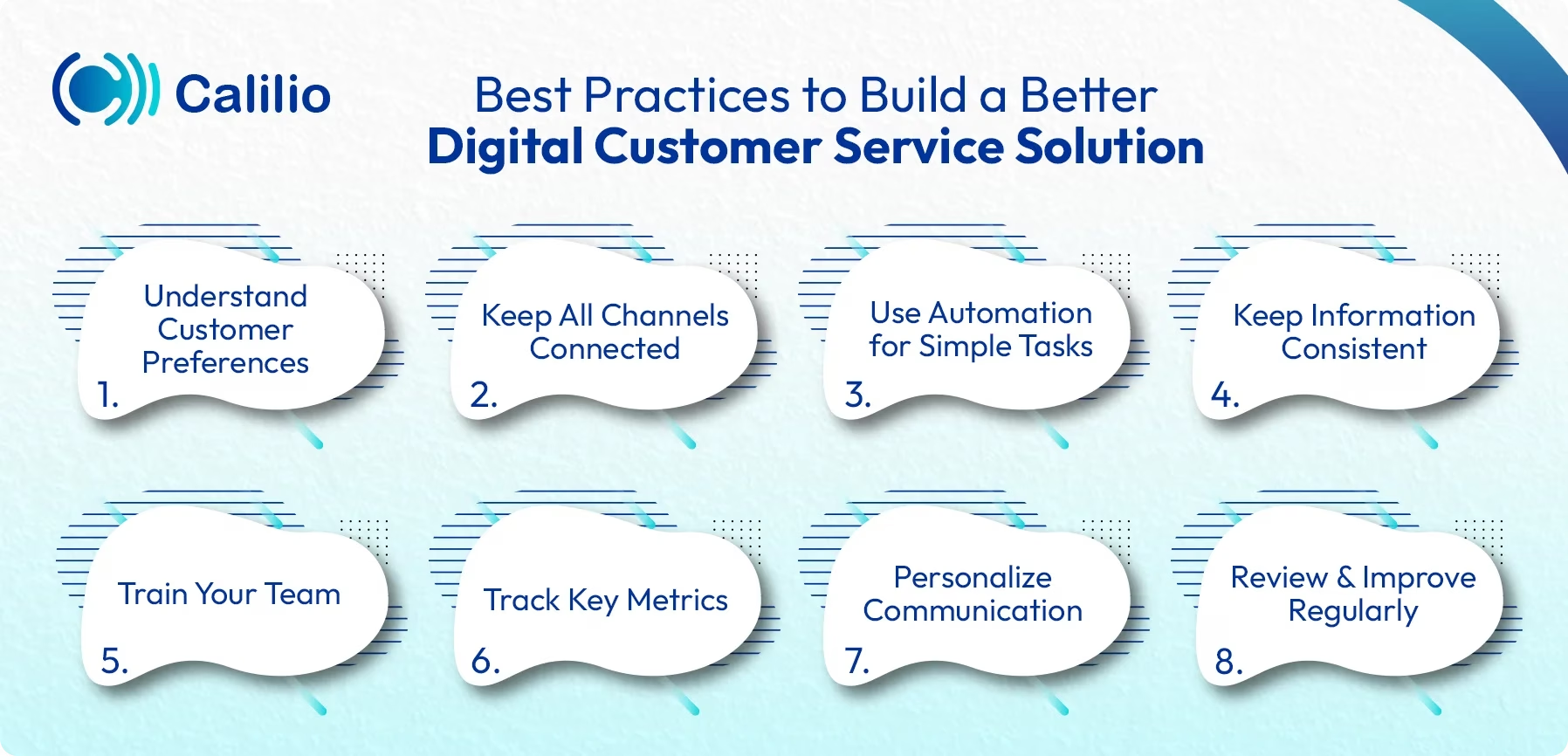
- Understand Customer Preferences: Learn which digital channels your customers use the most. Focus on the platforms that matter to them, so support stays easy to access.
- Keep All Channels Connected: Customers may move between chat, email, or social media, so a connected system helps your team see the full conversation and avoid repeating questions.
- Use Automation for Simple Tasks: Automate repetitive work with chatbots, canned responses, and smart routing. This keeps response times short and allows agents to focus on complex issues.
- Keep Information Consistent: Create a clear knowledge base with FAQs and tutorials. Make sure customers and agents see the same accurate information at all times.
- Train Your Team: Your team should know how each digital channel works and how to communicate effectively online. Training improves accuracy, tone, and consistency.
- Track Key Metrics: Monitor response time, customer ratings, and conversation volume. Use these insights to fix weak areas and improve your digital support process.
- Personalize Communication: Use customer history and context to offer relevant answers. Personalized support makes conversations smoother and builds trust.
- Review and Improve Regularly: Customers need change over time. Keep updating your channels, workflows, and tools to stay aligned with their expectations.
Conclusion
Strong digital customer service has become essential for any business that wants to support customers online. It brings every channel together, speeds up communications, and helps teams deliver clear and reliable answers without making the customer wait.
When businesses use the right tools and follow the right digital customer service strategy, they create smoother interactions, build trust, and keep customers engaged across their journey.
Platforms like Calilio make this easier by giving teams a single place to manage calls, messages, and customer conversations. With call management tools, AI reports, and flexible virtual phone numbers, Calilio supports fast and organized digital communication for businesses of all sizes.



Summarize this blog with:
Frequently Asked Questions
How does digital customer support differ from traditional support?
Traditional support depends on phone and in-person assistance, while digital customer service gives customers access to multiple online channels where they can receive quick, real-time help.
Can smaller companies adopt digital customer service solutions without a big budget?
What metrics or KPIs should I track to measure success in digital customer service?

Still have questions?
Can’t find the answer you’re looking for? Please chat with our friendly team.
Stay in the loop
Get the latest call insights, trends, and updates delivered straight to your inbox.
By subscribing, you agree to receive updates from Calilio.
You can unsubscribe anytime.
Enter the World of AI Business Phone System with Calilio
Improve your business operation with Calilio's advanced virtual phone system. Join today for a better way to connect.