- Partners
- Contact Us
- Log in
How to Fix Dropped Calls: Common Reasons & Professional Solutions

Call drop is one of the most common and frustrating mobile network issues, interrupting important conversations, business calls, and virtual meetings without warning.
Whether you’re using an Android device, an iPhone, or a VoIP (Voice over Internet Protocol) phone system, dropped calls can occur due to weak signal strength, incorrect network settings, or other technical issues. Fortunately, most of these problems can be resolved with simple fixes.
In this blog, we’ll dive into why your phone keeps dropping calls and share easy solutions to help you stay connected without interruptions.
Key Highlights:
A dropped call is an unexpected disconnection during an active conversation, interrupting communication across smartphones, landlines, and VoIP systems.
The most common causes of dropped calls include weak signal coverage, network congestion, device or SIM issues, faulty wiring, and unstable internet connections.
Simple actions like switching network mode, resetting network settings, updating software, and checking your SIM card can help prevent frequent call drops.
Dropped calls negatively impact businesses by reducing productivity, lowering customer satisfaction, damaging reputation, and causing missed sales opportunities.
Ensuring a stable network setup and using reliable communication systems is essential to maintain uninterrupted and high-quality calling experiences.
What is a Call Drop?
A call drop is a sudden end of a phone call on its own before you or the other party hangs up. This means you’re talking, and then, without any warning, the line cuts off.
In simple terms, a dropped call breaks the connection and stops your conversation unexpectedly. It can happen with any call, whether it be on cell phones, landlines, or VoIP-based apps.
Why Does Your Phone Keep Dropping Calls?
The main reasons for dropped calls can vary depending on the device you are using, such as smartphones, landlines or VoIP phone systems. So, here are the reasons for call drops on specific devices:
A. On Mobile Phones
Calls drop on smartphones mainly due to weak signal coverage, network overload, or unstable switching between network types. In addition, issues like outdated software, SIM problems, power-saving settings, or hardware faults can disrupt your connection.
1. Weak Signal Strength: Being far from a cell tower, underground, or in areas with poor network coverage reduces signal strength and causes your calls to disconnect unexpectedly.
2. Network Congestion: During peak hours or in crowded locations, too many users are connected to the same tower, which overloads the network and leads to dropped calls.
3. 5G and LTE Switching Issues: Automatic switching between 5G and LTE (Long Term Evolution) networks or between nearby towers may fail during handoff, interrupting your call mid-conversation.
4. Environmental Factors: Physical barriers such as thick walls, tunnels, or crowded indoor spaces block signals. Likewise, extreme weather conditions like storms or heavy rain may weaken connectivity and cause call drops.
5. Outdated Software: Running an outdated version of iOS or Android also affects your phone’s ability to maintain a stable cellular connection.
6. Battery/Data Saving Modes: Power-saving modes reduce your phone’s performance to extend battery life. However, they may also weaken network connectivity, making calls more likely to drop when the signal fluctuates.
7. SIM Issues: A damaged, loose, improperly inserted, or incorrectly provisioned SIM/eSIM causes repeated call drops.
8. Roaming Issues: When traveling outside your carrier’s primary coverage area or internationally, roaming configuration errors result in unstable connections and dropped calls.
9. Hardware Issues: Internal damage, such as a faulty antenna or motherboard issue, weakens signal reception. This often leads to repeated and unexplained dropped calls.
B. On Traditional Landline
Dropped calls on landlines usually happen due to damaged wiring, signal interference from nearby devices, or outdated equipment.
10. Wiring issues: Loose, damaged, or aging wires often weaken the signal and cause dropped calls. Even if the wiring looks fine externally, internal damage still disrupts the connection.
11. Electronic Interference: Strong electromagnetic interference from certain electronic devices or metal accessories weakens signal reception in specific environments.
12. Outdated Equipment: Old telephones, splitters (splits the signal into two or more ports) or line filters (devices to suppress frequency noise) may not function efficiently. As a result, connections get unstable and sound clarity is reduced.
C. On VoIP or Internet-based Calling
VoIP calls drop when your internet connection is unstable, especially due to high delay, inconsistent data flow, or limited bandwidth. Incorrect router or Session Initiation Protocol (SIP) configurations can also interrupt active calls.
13. High Latency & Jitter: VoIP calls depend on data packets arriving in the correct order. High latency (delay) or jitter (inconsistent delay) disrupts this flow, causing the system to terminate the call.
14. Insufficient Bandwidth: VoIP calls need a stable internet speed to transmit voice data smoothly. If your network does not have enough bandwidth, especially when multiple devices are connected, it reduces VoIP call quality and increases the likelihood of dropped calls.
15. Incorrect SIP/Router Settings: Incorrect router settings prevent voice traffic from being properly prioritized. If VoIP ports or SIP (Session Initiation Protocol) settings are not configured correctly, calls drop during active conversations.
How to Prevent Dropped Calls on Android & iPhone
You can prevent dropped calls by optimizing your phone’s network settings, keeping your device updated, and ensuring a stable connection. Plus, switching to a stable network mode, resetting network settings or checking your SIM can significantly improve call reliability.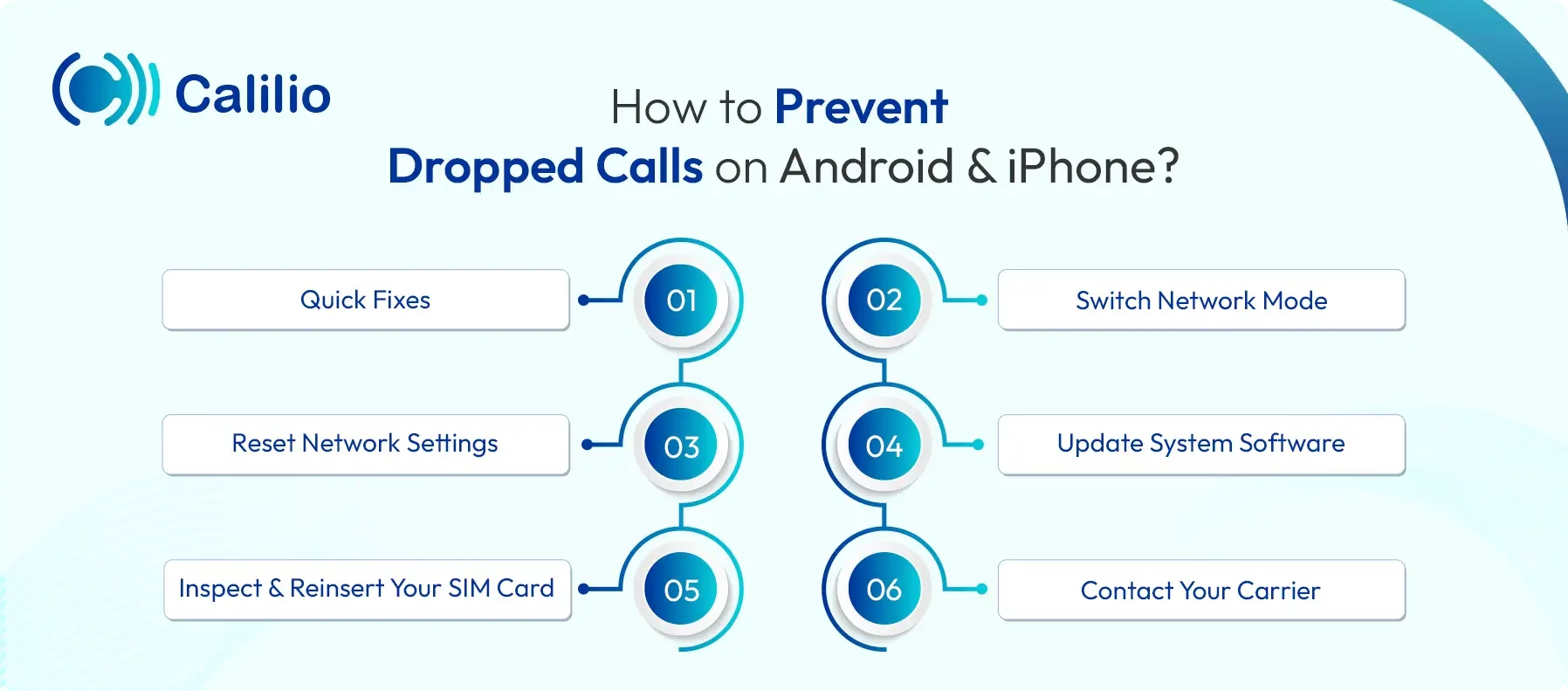
1. Quick Fixes
- Moving to a Better Network Coverage Area: If you are on a cellular network call, move outdoors or closer to a window to improve signal strength. Avoid basements, elevators, tunnels, and remote areas with weak coverage. For Wi-Fi calls, stay close to the router to maintain a stable connection.
- Close Background Apps: Clear all running apps to free up system resources. Remove suspicious or unnecessary apps that may interfere with network performance.
- Toggling Airplane Mode On/Off: Turn on Airplane Mode for about 30 seconds, then switch it off. This forces your phone to reconnect to the nearest cell tower and refresh network registration. This is one of the easiest and quickest ways to fix dropped calls on Android and iPhone devices.
- Restarting Your Phone: Restarting your phone clears temporary bugs and resets network connections. It also stops background apps that may be affecting performance. This is especially useful if your phone has been running for a long time without restarting.
- Removing the Mobile Case: In rare situations, thick plastic or metal phone cases can block signals. If you notice frequent dropped calls, try removing the case and check if your signal improves. This simple step can sometimes make a noticeable difference.
2. Switch Network Mode
Although 5G is widespread, it is not available in certain areas. In such cases, your phone constantly changes between an unstable 5G signal and a strong LTE signal. So, manually locking your phone to a stronger network mode provides a stable, uninterrupted frequency.
Here are the steps to change the network mode:
On iPhone:
- Open the Settings app and select Cellular.
- Tap on Cellular Data Options.
- Select Voice & Data.
- Change the setting from 5G On or 5G Auto to LTE.
On Android:
- Open the Settings app and select Connections or Network & Internet.
- Tap on Mobile Networks.
- Tap on the name of the SIM card and select Preferred Network type.
- Choose LTE/3G/2G (Auto) or 4G/3G (Auto) to disable the 5G search.
3. Reset Network Settings
This is the most effective solution for dropped calls. It removes the cache for cellular, Wi-Fi, and Bluetooth, forcing the phone to rebuild its connection to the carrier from scratch.
Here are the steps to reset network settings on your device:
On iPhone:
- Open the Settings app and select General.
- Scroll down and tap Transfer or Reset iPhone.
- Choose Reset, then select Reset Network Settings from the list.
- Confirm your decision to proceed with resetting your network settings.
On Andorid:
- Open the Settings app.
- Select General Management or System, depending on your device.
- Tap Reset or Reset options.
- Choose Reset Network Settings.
- Enter your passcode and confirm to complete the reset.
4. Update System Software
Keeping your phone updated helps improve how it connects to mobile networks. Software updates often fix bugs and improve signal stability.
Here are the steps to update your system software:
On iPhone:
- Open the Settings app and select General.
- Tap on Software Update.
- If the update is available. Tap Update.
On Andorid:
- Open the Settings app.
- Select System or Software Update, depending on your device.
- Tap Check for updates or Download and install.
- If a new version is available, follow the prompts to complete the installation.
5. Inspect & Reinsert Your SIM Card
Sometimes, small issues with your SIM card or eSIM can affect how your phone connects to the network.
So, simply turn off your phone, remove the SIM card using a SIM tool. Then, gently clean it with a dry cloth and place it back securely in the tray. If the SIM card appears damaged, worn out, or is several years old, consider replacing it through your carrier.
In case of e-SIMs, you can uninstall and reinstall the SIM card based on your service provider. This helps maintain a steady connection between your phone and the network, which can reduce the chances of unexpected call drops.
6. Contact Your Carrier
If the problem still persists after trying basic fixes, it may be related to your network provider. In such situations, getting support from your carrier can help identify and resolve the issue.
Contact your network provider to check for coverage or network-related concerns. They can refresh your connection from their end or suggest a SIM replacement if needed, which can help improve overall call stability.
How to Stop Call Drops on Traditional Landlines
You can reduce dropped calls on landlines by minimizing signal interference and replacing faulty equipment like splitters or filters. If the issue continues, requesting a line test from your service provider helps identify and fix problems in the external connection.
1. Inspect Physical Wiring
Start by checking your phone cables, wall jacks, and internal wiring for any signs of loose connections. Over time, copper wires can corrode due to moisture, which affects signal transmission. So, replace the phone cord or connect your device to a different wall jack to isolate the issue. This helps determine whether the problem lies within your internal wiring or the external line.
2. Minimize Electronic Interference
Cordless landline phones often operate on the same frequency used by Wi-Fi routers and microwaves. This can create signal interference and disrupt the connection between the handset and the base station. To reduce this, place your phone away from such devices or consider using a landline phone that operates on a dedicated frequency for more stable communication.
3. Replace Old Equipment (Splitters/Filters)
If you are using DSL internet, a DSL filter is required to separate voice and data signals. So, a faulty splitter or filter can cause data interference on the voice line, especially during high internet usage. Replacing such filters helps maintain proper signal separation and prevents call drops.
4. Contact Your Service Provider for Line Testing
If your internal setup is working properly, the issue may exist outside your premises. In such cases, problems such as ground faults or line shorts in the external copper loop can disrupt the connection. Therefore, contact your service provider and request a line test. This allows them to check signal stability and voltage levels, ensuring your line can maintain a consistent call connection.
How to Solve Dropped Calls Issues on VoIP Calls
You can reduce VoIP call drops by closing background apps that consume bandwidth, prioritizing voice traffic through quality of service settings, and monitoring network performance like latency and packet loss.
1. Close Background Apps
When multiple apps run at the same time, they compete for your device’s resources and internet bandwidth. As a result, your VoIP call may not get enough support to stay stable. So, closing unnecessary apps ensures your device can focus on maintaining a smooth and uninterrupted call.
2. Quality of Service (QoS)
Quality of Service is a router setting that allows you to tell your network which traffic is most important. By enabling QoS and prioritizing "Voice" or "SIP" traffic, your router will ensure that your call's data packets are given the top priority. This prevents the bottlenecks that can lead to dropped calls.
3. Latency Check
Checking latency helps you identify delays in data transmission that can disrupt real-time communication and lead to dropped calls. So, you can run a VoIP speed test or use online tools to measure your ping, jitter, and packet loss. If your latency is high, try switching to a wired connection, reducing the number of devices using the network, or upgrading your internet plan.
Why Dropped Calls are Harmful for Your Business?
When calls disconnect unexpectedly, it affects the customer experience negatively, harms your brand reputation, and can lead customers to choose a competitor instead.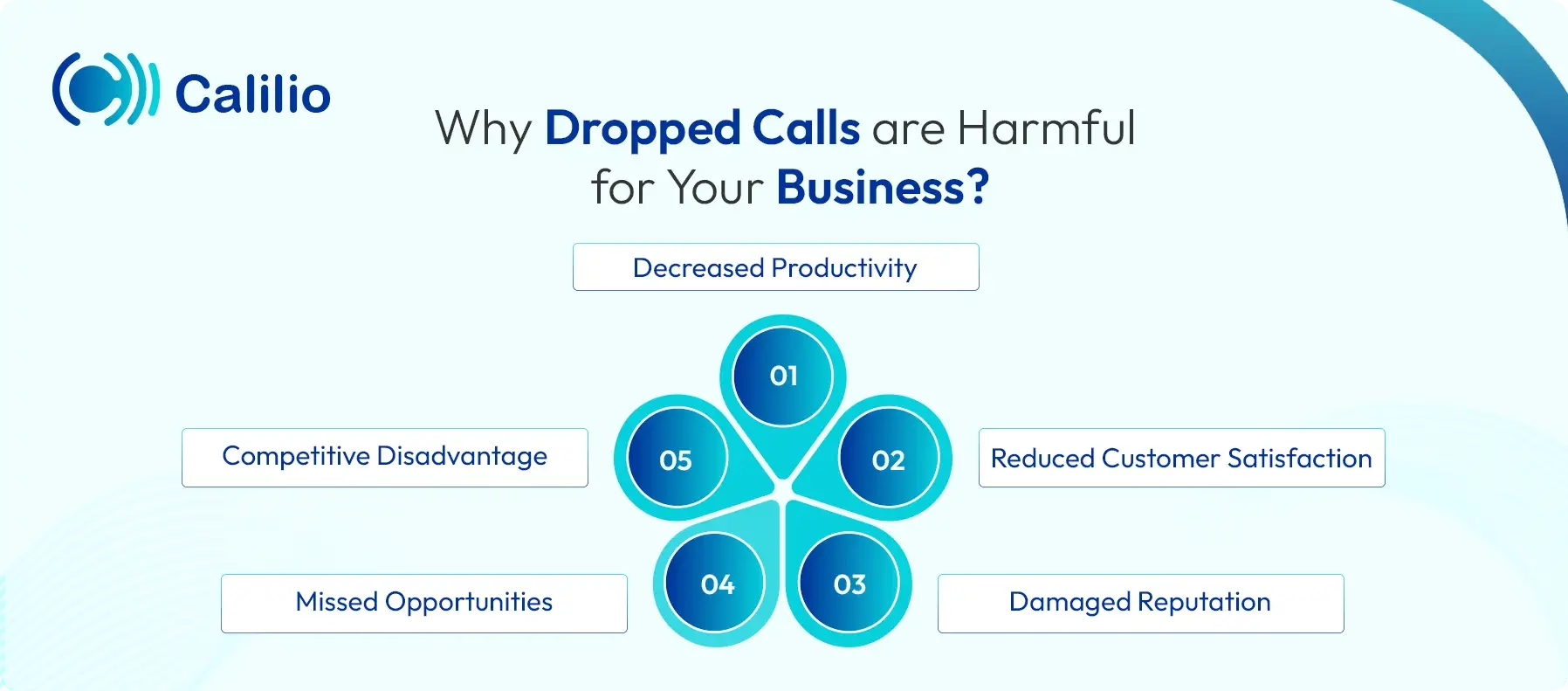
- Decreased Productivity: Dropped calls interrupt work processes and force employees to reconnect with customers and repeat the same information. This wastes valuable time, delays issue resolution, and reduces overall productivity.
- Reduced Customer Satisfaction: Frequent call drops frustrate customers. They feel neglected or undervalued, especially when they’re looking for support and assistance.
- Damaged Reputation: Repeated dropped calls create an impression of an unprofessional business. It can significantly harm your company’s image.
- Missed Opportunities: When calls end suddenly when you're trying to make a sale, potential customers may discontinue the conversation. So, you may lose customers, too.
- Competitive Disadvantage: If your business frequently experiences dropped calls, customers may become frustrated and choose competitors that offer more reliable communication and better service.
Experience Clear, Affordable Cloud Calling — No Lags, No Call Drops
Conclusion
Dropped calls can interrupt important conversations and affect both personal communication and business operations. Most call drop issues are caused by signal problems, network settings, device glitches, or outdated software, and can often be resolved with simple troubleshooting steps.
However, for businesses that depend on consistent and uninterrupted communication, basic troubleshooting may not fully prevent recurring call drops. Calilio, a cloud-based phone system built on a high-performance global network, is designed to address common technical causes of VoIP call drops such as latency, jitter, and packet loss.



Summarize this blog with:
Frequently Asked Questions
Why does my phone keep dropping calls even with full signal bars?
Your phone can drop calls even with full signal bars because network congestion, SIM issues, or software conflicts can interrupt the connection despite strong signal strength.
Why does my Android phone keep dropping calls?
Why does my iPhone keep dropping calls?
How can I fix dropped calls quickly?
What should I do if troubleshooting doesn’t stop my phone from dropping calls?
Why are my calls dropping on Verizon, AT&T, or T-Mobile?

Still have questions?
Can’t find the answer you’re looking for? Please chat with our friendly team.
Stay in the loop
Get the latest call insights, trends, and updates delivered straight to your inbox.
By subscribing, you agree to receive updates from Calilio.
You can unsubscribe anytime.
Enter the World of AI Business Phone System with Calilio
Improve your business operation with Calilio's advanced virtual phone system. Join today for a better way to connect.