- Partners
- Contact Us
- Log in
Telecom Expense Management: Definition, Benefits & Cost Control Guide

Telecom bills often become harder to manage as your business adds more mobile lines, data plans, and device leases. Small billing errors, unused services, and overlapping contracts quietly increase monthly costs when you do not track spending properly.
This is where telecom expense management becomes essential. It provides a structured approach to track telecom assets, audit invoices, manage contracts, and control recurring charges.
In this guide, you’ll learn what telecom expense management is, the benefits it provides, what it includes, and the common challenges businesses face when managing telecom costs.
Key Highlights:
A structured telecom expense management process reviews every invoice, removes unused services, and catches billing errors before they increase monthly spending.
The key telecom expenses in businesses include the cost of phone systems, employee mobile plans, business internet connections, network hardware, communication software, and regulatory charges.
Telecom expense audit and management reduces waste, prevents billing mistakes, improves vendor oversight, and often cuts telecom costs by eliminating inactive lines and correcting invoice errors early.
Effective telecom cost control includes auditing invoices, tracking active services, monitoring contract terms, analyzing usage, and generating clear reports to maintain full visibility.
Telecom costs become difficult to control when companies deal with complex invoices, multiple providers, automatic renewals, and scattered records without a centralized tracking system.
What is Telecom Expense Management?
Telecom Expense Management (TEM) is a structured process of tracking, auditing, and managing all telecom-related spending within an organization, including the expenses on mobile lines, internet services, data plans, and communication tools. The process involves verifying invoices, monitoring contracts, and removing unused services so companies can reduce waste and maintain full cost visibility.
Instead of simply paying monthly carrier invoices, telecom cost management reviews charges line by line to detect billing errors, identify unused or duplicate services, and monitor contract terms before renewals. This approach helps prevent hidden overspending and control expenses.
What are the Different Types of Telecom Expenses in an Organization?
Organizations incur several telecom expenses to support business communication and connectivity. These include costs related to network equipment and installations, mobile plans, business internet services, communication software, regulatory fees, and internal resources to manage these services.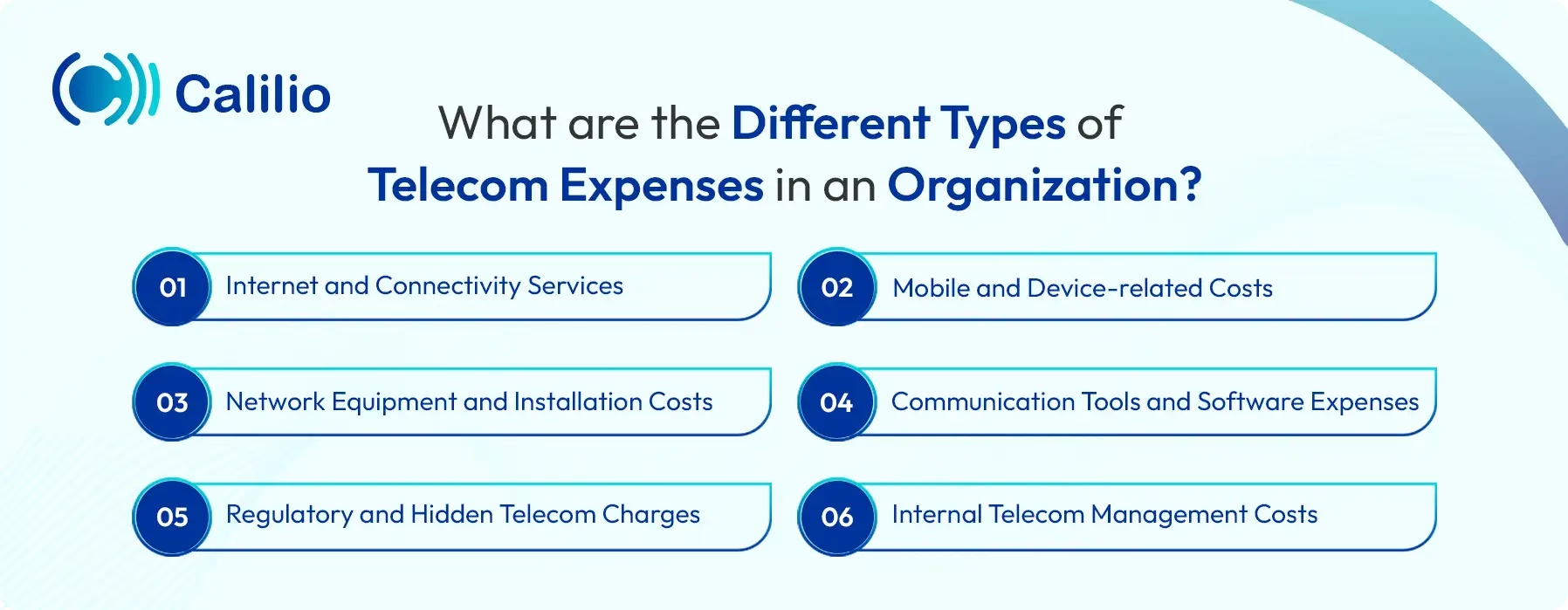
- Internet and Connectivity Services: Landlines, office phone systems, and private data connections between branches create ongoing monthly charges for voice and network connectivity.
- Mobile and Device-related Costs: Company-issued mobile plans, tablets, and employee SIM cards create recurring monthly expenses.
- Network Equipment and Installation Costs: Businesses also spend on hardware such as routers, switches, PBX (Private Branch Exchange) systems, firewalls, and structured cabling. These costs include both the upfront cost and the ongoing maintenance.
- Communication Tools and Software Expenses: Video conferencing tools, call management software, messaging tools, and collaboration platforms also add to telecom-related spending.
- Regulatory and Hidden Telecom Charges: Telecom bills often also include regulatory taxes, emergency service fees, and administrative charges.
- Internal Telecom Management Costs: Managing telecom expenses requires time and effort from IT and finance teams. Tasks such as reviewing invoices, resolving billing disputes, managing renewals, and handling vendor communication also contribute to overall telecom expenses.
What are the Benefits of Telecom Cost Management?
Telecom expense management helps businesses reduce unnecessary telecom costs, prevent billing errors, improve vendor control, and increase cost visibility across departments. It helps finance and IT teams manage services, contracts, and vendors more efficiently for better budget planning.
1. Lower Monthly Costs
A telecom expense audit helps businesses identify unnecessary services such as inactive phone lines, unused data plans, and duplicate services that often continue to generate monthly charges. By regularly reviewing communication usage and removing services that are no longer needed, your business can stop waste and keep telecom spending under control quickly.
2. Fewer Billing Mistakes
Telecom invoices often contain many charges, taxes, and service fees, which can be difficult to review manually. Telecom cost management helps examine invoices carefully and identify whether they include extra fees, incorrect or duplicate charges. Careful checking detects these errors before your company pays the invoice.
3. Clear Budget Planning
When you track and organize telecom costs properly, finance teams gain a clearer picture of usage reports showing how much each department spends. This makes it easier to plan budgets and allocate resources more effectively.
4. Better Control Over Vendors
Organizations often work with multiple telecom providers for mobile services, internet connections, and communication platforms. The cost management process in telecom helps track contracts, pricing agreements, and renewal dates. With better contract visibility and clear records, you can prevent automatic renewals, compare vendor costs, and negotiate better service terms.
5. Stronger Cost Accountability
When managing telecom expenses, you can link services such as mobile lines or data plans to specific departments, teams or employees. This makes it easy to track how services are being used and who is responsible for them. As a result, it creates responsibility and prevents uncontrolled telecom spending.
What are the Key Elements of Telecom Cost Optimization?
Telecom expense management includes invoice auditing, cost optimization, inventory tracking, vendor and contract management, and reporting. When these processes are managed properly, businesses can efficiently control spending, prevent overcharges, and improve operational transparency.
1. Invoice Management and Auditing
Telecom providers send complex bills with multiple charges, including taxes and usage fees. Invoice management and auditing involve reviewing every charge, comparing it with contract terms, and flagging billing errors before payment. This process prevents overcharging and ensures the company only pays for what it actually uses.
2. Cost Optimization
Telecom expenses increase when unused lines, duplicate services, or outdated plans stay active. Telecom cost optimization focuses on removing unnecessary services and adjusting plans based on real needs. This keeps spending aligned with actual business demand instead of past assumptions.
3. Inventory Management
Inventory management keeps a clear record of every telecom asset, including mobile lines, devices, circuits, or data plans, including who uses them, and where they connect. This prevents paying for services that no one uses and improves internal accountability.
4. Vendor and Contract Management
Telecom expense management also involves managing vendor contracts, including pricing terms, renewal dates, service-level agreements, and penalties. Keeping track of these contracts helps to prepare for better negotiations with vendors once the current deal expires. Clear contract visibility also reduces risk from unexpected service changes.
5. Reporting and Analytics
Reporting and analytics provide detailed insights into telecom spending across departments or locations. These reports highlight trends, unusual charges, and areas of overspending. This data helps leadership make informed decisions on planning telecom expenses instead of relying on guesswork.
Get a Cloud Phone System for Your Business and Simplify Telecom Expense Management
What are the Challenges of Managing Telecom Expenses?
Managing telecom expenses becomes difficult when companies handle multiple vendors, complex invoices, automatic contract renewals, and scattered service records. Without centralized tracking, billing errors and unused services can increase monthly costs.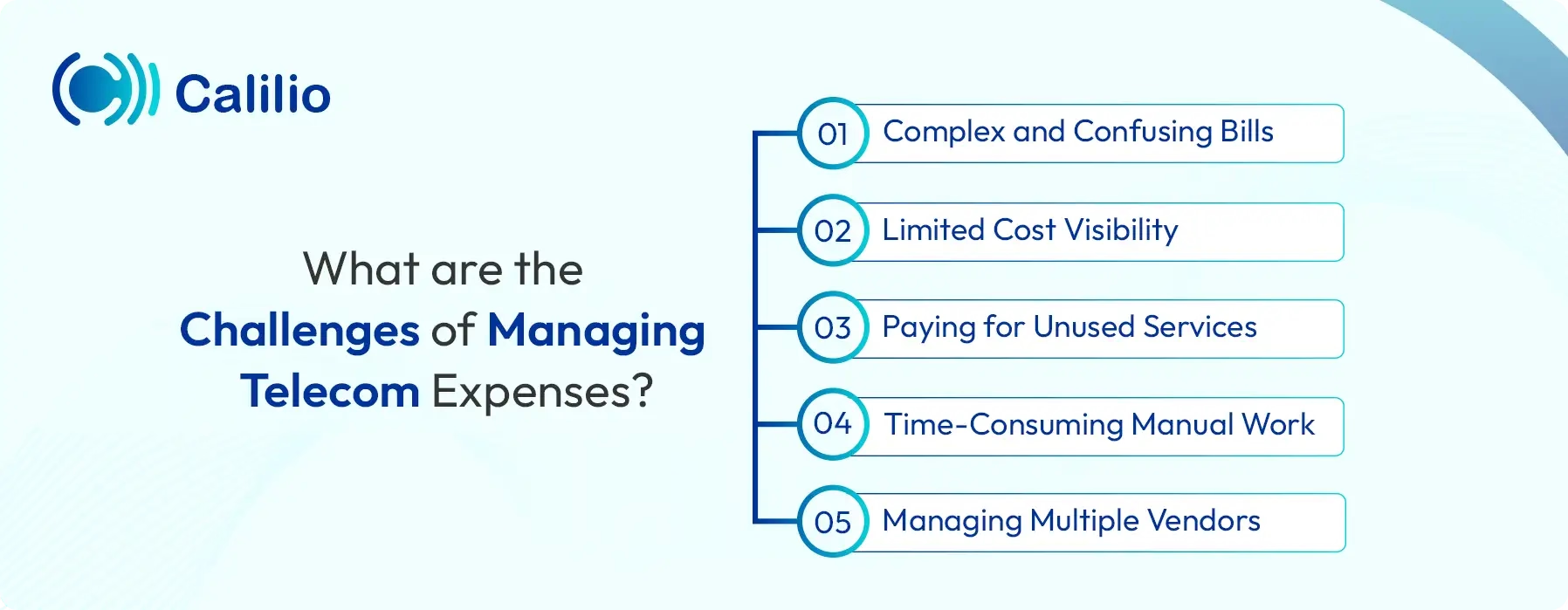
- Complex and Confusing Bills: Telecom providers send long invoices filled with detailed charges, taxes, and service fees. These bills can be difficult to review, and finance teams may need to spend hours analyzing them.
- Limited Cost Visibility: Different departments may handle mobile plans, internet services, and communication tools separately. Without a clear system and proper process management in telecom, businesses struggle to see their total telecom spending clearly.
- Paying for Unused Services: Old SIM cards or services linked to canceled projects or former employees may remain active over time. If these services are not reviewed regularly, companies may continue to pay for them every month.
- Time-Consuming Manual Work: IT and finance teams often track telecom data in spreadsheets or emails. This manual process slows down approvals, increases mistakes, and makes reporting harder.
- Managing Multiple Vendors: Organizations usually work with several telecom providers for mobile services, internet connections, and communication tools. Each provider uses a different billing format and pricing structure, which makes cost management more complicated.
Conclusion
Managing telecom expenses doesn't have to be a constant battle against complex invoices, unused services, and scattered vendor contracts. As we've covered, a structured approach to TEM, focusing on auditing invoices, optimizing costs, and maintaining clear inventory, is essential for stopping waste and gaining true visibility into your spending.
However, achieving this level of control is much easier with the right foundation. This is where modern technology makes the difference.
How Cloud Phone Systems Support Telecom Expense Management
Cloud phone systems, like Calilio, help businesses control telecom expenses by centralizing communication services, reducing hardware dependency, and providing clear usage visibility. Instead of installing separate hardware for different lines, including mobile phones and desk phones, businesses can manage calls from a single cloud software and reduce the capital cost.
Calilio, in particular, also simplifies telecom cost tracking. Businesses can easily monitor active phone numbers, call usage, and subscription plans in one dashboard, which helps prevent paying for unused services or inactive lines.
Moreover, Calilio also provides detailed call analytics and reporting features. These insights help companies to understand communication patterns, track department usage, and identify areas where telecom spending can be optimized. All these features help organizations monitor communication activity while keeping telecom costs predictable and easier to manage.



Summarize this blog with:
Frequently Asked Questions
How does telecom expense management reduce costs?
Telecom expense management reduces costs by removing unused services and correcting billing errors before payment. It also tracks subscriptions to prevent automatic contract renewals and adjusts plans based on actual usage.
Is telecom expense management worth it?
How does telecom expense management reduce operational risks?
Who should manage telecom expense management in a company?
Is telecom cost management only useful for large enterprises?

Still have questions?
Can’t find the answer you’re looking for? Please chat with our friendly team.
Stay in the loop
Get the latest call insights, trends, and updates delivered straight to your inbox.
By subscribing, you agree to receive updates from Calilio.
You can unsubscribe anytime.
Enter the World of AI Business Phone System with Calilio
Improve your business operation with Calilio's advanced virtual phone system. Join today for a better way to connect.