- Partners
- Contact Us
- Log in
How to Write a Therapist Voicemail Script? [With Examples]


When a therapist’s voicemail greeting sounds unclear or rushed, callers feel confused from the start. They may not know what details you expect them to leave or how much information is appropriate to share. As a result, some may hang up or decide not to call again. This can lead to missed inquiries and lost opportunities to support someone in need.
A well-written voicemail script prevents that. It clearly guides callers on what information to leave and when they can expect a response.
In this article, you’ll learn how to create a professional therapist voicemail script, including why it matters and the best practices for writing one.
Key Highlights:
A well-written voicemail script clearly tells callers what details to leave and when to expect a response. This helps prevent missed inquiries or repeated calls.
A HIPAA-compliant voicemail greeting should clearly state your name, office hours and callback timeframe. It should also instruct callers to leave contact information (only basic details) and provide clear guidelines for emergencies.
It’s important to personalize voicemail scripts for general calls, new clients, after-hours calls, and emergency disclaimers to match each situation properly.
You must keep your voicemail greeting around 20 to 30 seconds long, so callers can quickly understand your message without feeling overwhelmed.
Voicemail scripts may fail if you give unclear callback timeframes, ask for sensitive details, skip emergency instructions, run too long, or sound rushed and impersonal.
Why a Therapist Voicemail Script Matters?
A good therapist voicemail greeting does more than just greet callers when you cannot answer the phone. It builds trust from the first moment, clearly guides callers on what to do next, reduces missed opportunities, and presents a professional image.
- Good First Impression: Many callers feel anxious before reaching out. A clear voicemail greeting sets a reassuring tone and helps them feel comfortable leaving a message.
- Provide Clear Guidance: A structured script tells callers exactly what information to share, such as their name, contact number, and reason for calling. This reduces confusion and incomplete messages.
- Ensure Fewer Missed Opportunities: When you provide detailed information in your voicemail greeting regarding what to expect and when you will respond, callers are more likely to wait for your callback instead of contacting another provider.
- Builds Professional Image: A well-prepared voicemail shows that you take your practice seriously and respect client confidentiality from the very first interaction.
How to Make a Therapist's Voicemail Greeting HIPAA-Compliant?
To make a therapist's voicemail greeting HIPAA-compliant, you must include the professional’s name or the practice name, office hours, and a clear callback timeframe. It should request callers to share only basic contact details, provide clear instructions for emergencies, and avoid asking sensitive information.
- Your Name and Practice Name: State your name and practice clearly so callers know they reached the right provider.
- A simple Availability Note: Let callers know you are unavailable and briefly mention when you’ll return calls. Provide the general information regarding your business hours.
- Clear Message Instructions: Ask callers to leave only their name and phone number. Do not invite them to share personal or medical-related details on voicemail.
- Expected Response Time: Tell callers when you will return the call, such as “within one business day.” This reduces repeat calls and sets clear expectations.
- Emergency Direction: Clearly explain what callers should do during emergency situations, such as contacting emergency services or a crisis hotline immediately.
- Privacy Boundary Reminder: Remind callers to share only necessary contact information since voicemail is not a fully secure communication channel.
Customize Voicemail Greetings for Your Practice and Keep Communication Organized with Calilio
How to Write a Therapist Voicemail Script? [+Examples]
A therapy practice may receive calls for many different reasons. Some callers are existing clients, while others are new clients seeking support, and some may be calling outside business hours or during a crisis. Because each situation is different, your voicemail script should adjust accordingly while still protecting privacy and setting clear expectations.
Here are ready-to-use therapist voicemail greeting script examples for general calls, new clients, after-hours messages, and emergency disclaimers:
1. General Script
When you miss a call during regular business hours, a general therapist voicemail script clearly explains your availability and your callback timeframe. It uses a calm, professional tone and clearly instructs callers to leave only their name and phone number, protecting their privacy.
Example: “Hello, you’ve reached [Your Name] at [Practice Name]. I’m unable to take your call right now. Please leave your name and phone number, and I will return your call within one business day.
2. Script for New Clients
A therapist's voicemail greeting for new clients should warmly welcome first-time callers and briefly explain what happens next. Clearly instruct them to leave their name, phone number, and the type of therapy they are seeking, such as individual, couples, or family sessions. Let them know when you’ll review new client messages and how soon you will return their call.
Example: “Hello, thank you for calling [Practice Name]. This is [Your Name]. Welcome to our service [Your Service Name]. Please leave your full name, your phone number, and the type of support you’re looking for, such as individual, couples, or family therapy.
I will return your call within one to two business days. For your privacy, please avoid sharing personal or medical details in this message. If you are experiencing an emergency, please contact 911 or your local crisis hotline right away. I look forward to connecting with you.” number of the receiver.
3. After-hours Script
A voicemail for handling after-hours calls in a therapy service should clearly tell callers that your office is closed and provide a clear callback timeframe. It sets boundaries on your availability, so callers do not expect an immediate reply.
Example: “Hello, you’ve reached [Your Name] at [Practice Name]. Our office is currently closed. We are open Monday through Friday, 9 AM to 5 PM.
Please leave your name and phone number, and I will return your call during the next business day. For privacy, do not include personal or medical details in your message.
If you are experiencing an emergency or need immediate support, please call 911 or contact your local crisis hotline.”
4. Emergency Disclaimer Script
An emergency disclaimer script clearly states that you do not provide crisis support through voicemail. It explains that callers should not wait for a callback if they are in immediate danger or emotional crisis. The message must direct them to emergency services or a crisis hotline right away.
Example: “Hello, you’ve reached [Your Name] at [Practice Name]. Please note that we do not provide emergency or crisis services through voicemail.
If you are in immediate danger or experiencing a mental health crisis, call the hotline or go to the nearest emergency room. You may also contact your local crisis hotline for immediate support.
If this is not an emergency, please leave your name and phone number, and I will return your call during business hours.”
Writing a Therapist Voicemail Greeting Script: Best Practices
When creating a therapist voicemail script, always start by providing a clear introduction and use a natural tone that feels welcoming and professional. Keep the message concise, provide the next steps for leaving contact details, and end with a reassuring note about when they can expect to hear back.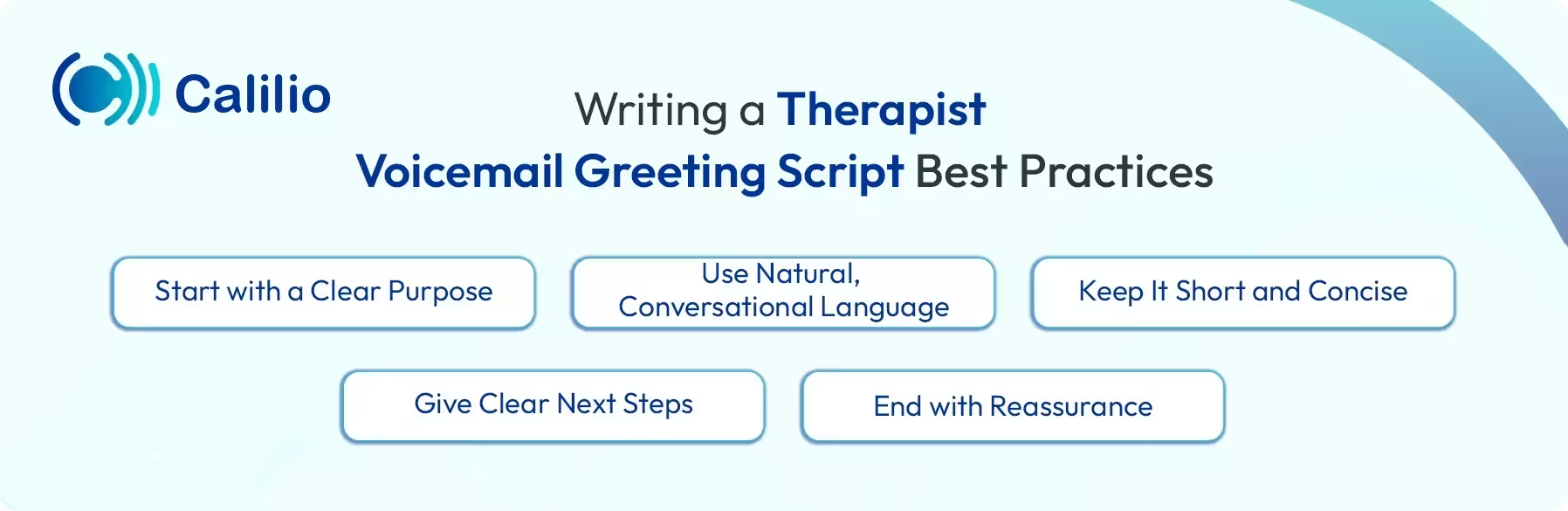
1. Start with a Clear Purpose
In the beginning, clearly state who you are, confirm that callers have reached the right place, and explain what information they should leave. Focus only on details that help the caller take the next step, so your message stays structured and easy to follow.
2. Use Natural, Conversational Language
Use simple, everyday language instead of sounding too formal or scripted. A natural tone builds trust and makes callers feel more comfortable. When your message sounds natural, it feels more genuine.
3. Keep It Short and Concise
Share only the essential details. Long explanations can confuse callers or make them hang up. A concise message helps people understand what to do without replaying the recording.
4. Give Clear Next Steps
Tell callers exactly what to leave in the message, such as their name and phone number. State when you will return their call so they know what to expect. Clear instructions reduce repeat calls and incomplete messages. Moreover, direct guidance keeps communication organized.
5. End with Reassurance
Close your message with a calm and supportive line. Remind callers that you will return their call within your stated timeframe. This shows reliability and professionalism. A steady ending leaves a positive impression even before you speak with them.
How Long Should a Therapist's Voicemail Greeting Be?
A therapist’s voicemail should stay short and clear, ideally lasting about 20 to 30 seconds. This gives you enough time to state your name, share your office hours or callback timeframe, and provide brief emergency instructions without adding unnecessary detail.
Avoid long messages that overwhelm callers with too much information. Speak in a calm tone, use simple words, and give direct instructions about what contact details to leave. A focused voicemail keeps communication professional, protects privacy, and makes it easier for callers to respond.
Conclusion
A voicemail is the first interaction between you and your patient when you’re unavailable to answer the calls. A clear therapist voicemail greeting script sets the expectations, protects privacy, explains what details to leave, provides a realistic callback timeframe, and includes emergency instructions. However, while giving all this information, it’s also important to keep it short and easy to understand.
When you write your voicemail with structure and purpose, it also helps reduce repeated calls or prevent incomplete or confusing messages. When callers know exactly what information to share and when they will hear back, communication becomes smoother and more organized.
That said, even the best script will only be effective when you use the right platform. A cloud-based phone system like Calilio lets you set custom voicemail greetings; you can record different greetings for office hours, after-hours, or different departments. Also, the voice quality is clear, so your callers can hear your message clearly without distortion on every call.



Summarize this blog with:
Frequently asked questions
What should a therapist say in a voicemail message?
A therapist should clearly state their name and practice name, mention office hours or a callback timeframe, and instruct callers to leave only their name and phone number. The message should also include emergency guidance, but avoid asking sensitive details.
How long should a therapist’s voicemail message be?
Is it okay to ask clients to describe their issues on voicemail?
Should a therapist include emergency instructions in voicemail?
Can therapists use different voicemail scripts for different situations?

Still have questions?
Can’t find the answer you’re looking for? Please chat with our friendly team.
Stay in the loop
Get the latest call insights, trends, and updates delivered straight to your inbox.
By subscribing, you agree to receive updates from Calilio.
You can unsubscribe anytime.
Enter the World of AI Business Phone System with Calilio
Improve your business operation with Calilio's advanced virtual phone system. Join today for a better way to connect.