
What is Call Barging? Why is It Important in a Call Center?
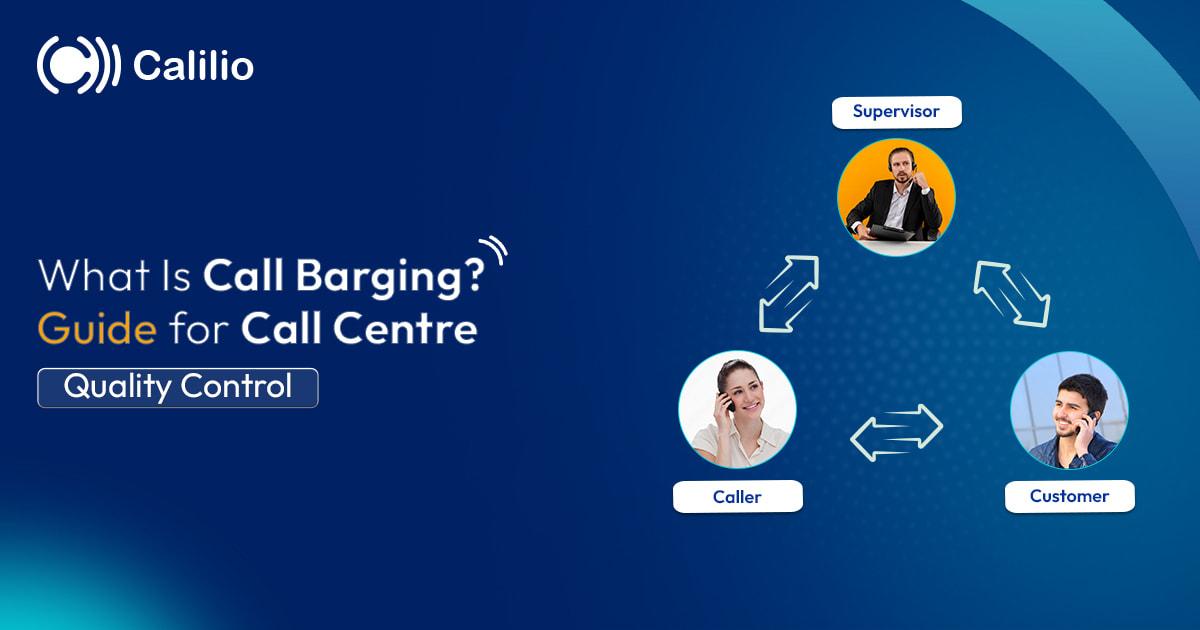

Call centers deal with many calls every day, and even the best support specialists run into tough situations at times. One small mistake can upset a customer, slow down the call, or create an issue that could have been easily avoided.
This is where call barging helps. It lets supervisors join a live call right when support is needed and help the agent handle escalating situations before they get worse.
In this guide, we’ll break down call barging in simple terms and explain how it works in real situations. You’ll also learn when to use it, how to set it up, and the best practices to follow for its effective use.
Key Highlights:
Call barging allows a supervisor to join a live call and assist both the agent and the customer in real time.
Call barging helps resolve issues faster, support agents, and improve customer satisfaction during challenging calls.
Supervisors barge into calls when a call needs immediate intervention due to confusion, customer frustration, or authority requirements.
To set up call barging, choose a VoIP system that supports it, assign supervisor permissions, configure settings, and train your team.
What is Call Barging?
Call barging is a business telephony feature that lets a supervisor join an ongoing conversation between an agent and a customer and turn it into a three-way conference call. It is a permission-based, real-time intervention where the supervisor “barges in” to become an active participant in a call and speak directly to both parties. This helps guide the discussion, correct misinformation, and prevent issues from escalating.
Modern VoIP systems include live call barging as part of their supervision toolkit. A call manager can see all active calls on the dashboard and choose to barge into the phone call with a single click. This level of control helps call centers maintain consistent service quality, support agents during high-pressure situations, and improve customer experience.
How Does Call Barge Work?
Most call centers use call barging as part of a three-step supervision system: monitor, whisper, and barge. The process follows a clear flow where leaders first listen silently, then guide the agent privately when needed, and finally join the call when direct support is necessary. After resolving the issue, the leader steps back, and the agent continues confidently.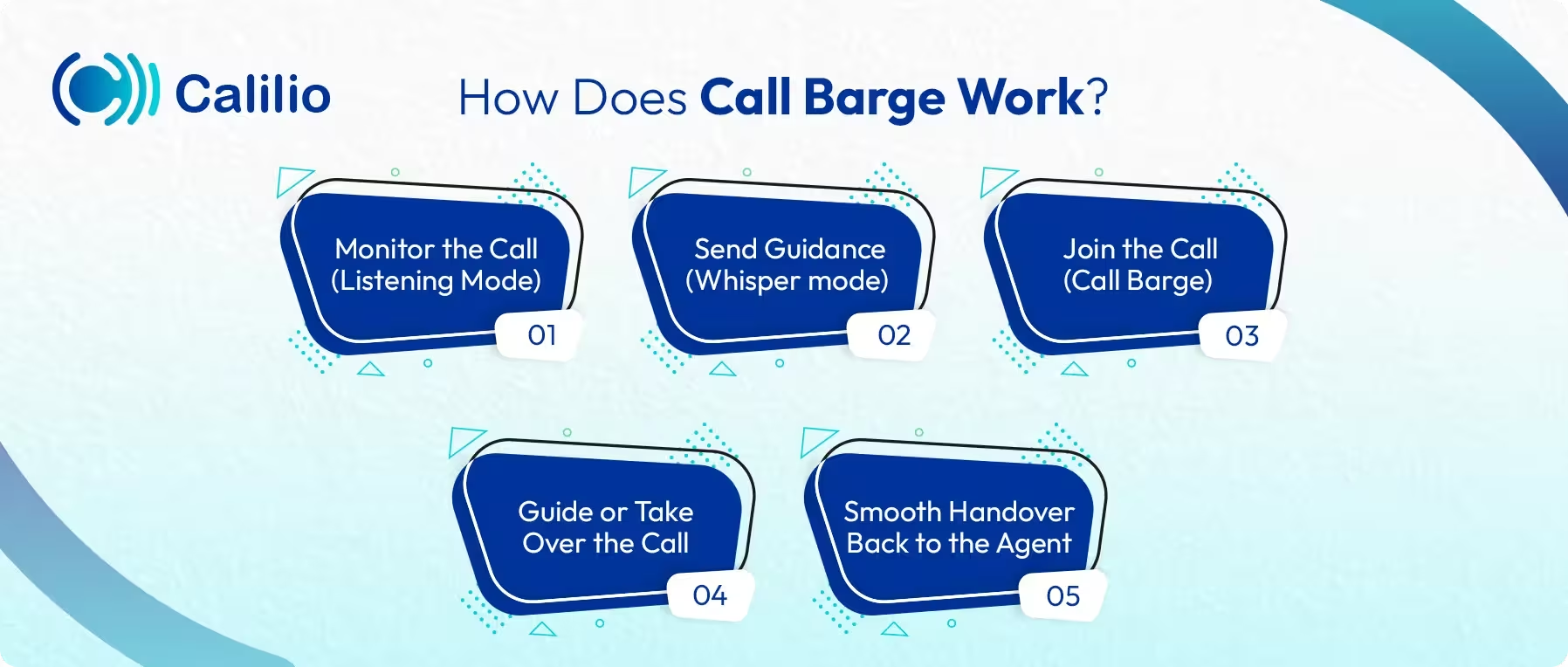
- Monitor the Call (Listening Mode): A supervisor first listens to the ongoing call without interrupting. This helps them understand the context and identify when the agent needs help.
- Send Guidance (Whisper mode): If the agent struggles or needs quick clarification, the team lead uses call whisper mode to guide the agent. In this mode, only the agent can hear the guidance, while the customer continues the call normally.
- Join the Call (Call Barge): When the situation requires direct involvement, the leader uses call barge mode. This allows supervisors to speak to both the agent and the customer.
- Guide or Take Over the Call: The senior representative may provide explanations, resolve misunderstandings, handle a sensitive issue, or take over the call if necessary.
- Smooth Handover Back to the Agent: Once the issue is resolved, the supervisor steps back, and the agent continues the conversation confidently.
Call Barging vs. Call Monitoring vs. Call Whispering
Call barging, monitoring, and whispering are all supervision tools, but each provides a different level of involvement. Call monitoring allows silent listening, whispering lets the supervisor guide only the agent, and call barging enables the leader to join the call and speak to both sides.
Feature | Call Monitoring | Call Whispering | Call Barging |
| What it is | The supervisor listens to a live call silently. | The supervisor speaks only to the agent during the call. | The supervisor joins the call and speaks to both the agent and the customer. |
| Who can hear the supervisor? | No one. | Only the agent. | Both the agent and the customer. |
| Purpose | Quality checking and performance evaluation. | Real-time coaching without interrupting the customer. | Immediate intervention to fix issues or guide the conversation. |
| When it’s used | Routine supervision, training, and analysis. | When the agent needs help. | When a situation escalates or requires instant support. |
| Impact on the customer | No impact; customer is unaware. | No impact; customer continues the call normally. | The customer hears the supervisor. |
| Control level | Lowest level of involvement. | Medium level of involvement. | Highest level of involvement. |
| Example Scenario | Checking how an agent handles greetings or tone. | Guiding an agent through complex questions. | Stepping in when a customer becomes upset or when critical information is handled incorrectly. |
Why You Need Call Barging in Your Call Center
Call barging helps call centers deliver faster, smoother, and more reliable customer service. It strengthens real-time support, improves training, and keeps call quality consistent across the team.
- Provide Immediate Support: Leaders can join a call instantly and clear problems before they grow. This reduces repeat calls and unnecessary transfers.
- Give Better Training to New Agents: Live intervention helps agents learn directly from real interactions, correct mistakes on the spot, and improve overall performance.
- Improve Customer Satisfaction: Customers get faster solutions when the right person joins the call at the right moment. This increases the First Call Resolution (FCR) rate and builds trust.
- Strengthen Quality Control: Supervisors can ensure that agents follow policies, give correct information, and maintain a professional tone throughout the call.
- Prevent Escalations: Before a call turns into a complaint, the manager can barge in to guide the conversation, defuse tension, and solve the issue quickly.
- Improve Agent Confidence: Agents feel supported knowing help is available instantly. This reduces stress during tough calls and creates a healthier work environment.
When is the Right Time to Use Call Barging?
The right moment to use call barging is when a live call needs quick intervention due to customer frustration, miscommunication, or an issue that requires a supervisor’s approval. Barging keeps the call controlled, clear, and productive.
- When an Agent Faces a High-Pressure Call: If a customer becomes difficult or the conversation moves in an unexpected direction, a supervisor can step in to keep the call steady and calm.
- When an Agent Shares Incorrect Information: Team leads can join the call the moment they notice inaccurate details or miscommunication. This prevents confusion and avoids the customer being misinformed.
- When a Call Needs a Higher Level of Authority: Some cases involve approvals, policy exceptions, or technical details. In such cases, supervisors can join to resolve the matter without transferring the call.
- When Training Agents: Team leads can barge into phone calls to guide new agents, demonstrate the right approach to handle calls, and help them learn directly from live interactions.
- When a Call Turns into a Sensitive Case: Billing disputes, compliance-related queries, or urgent complaints often need quick oversight. Barging ensures the issue receives proper attention right away.
How to Implement Call Barging in Your Phone System?
To set up call barging, choose a phone system that offers built-in barging tools and set up clear supervisor permissions. After configuration, test the feature and train your agents to ensure a smooth rollout.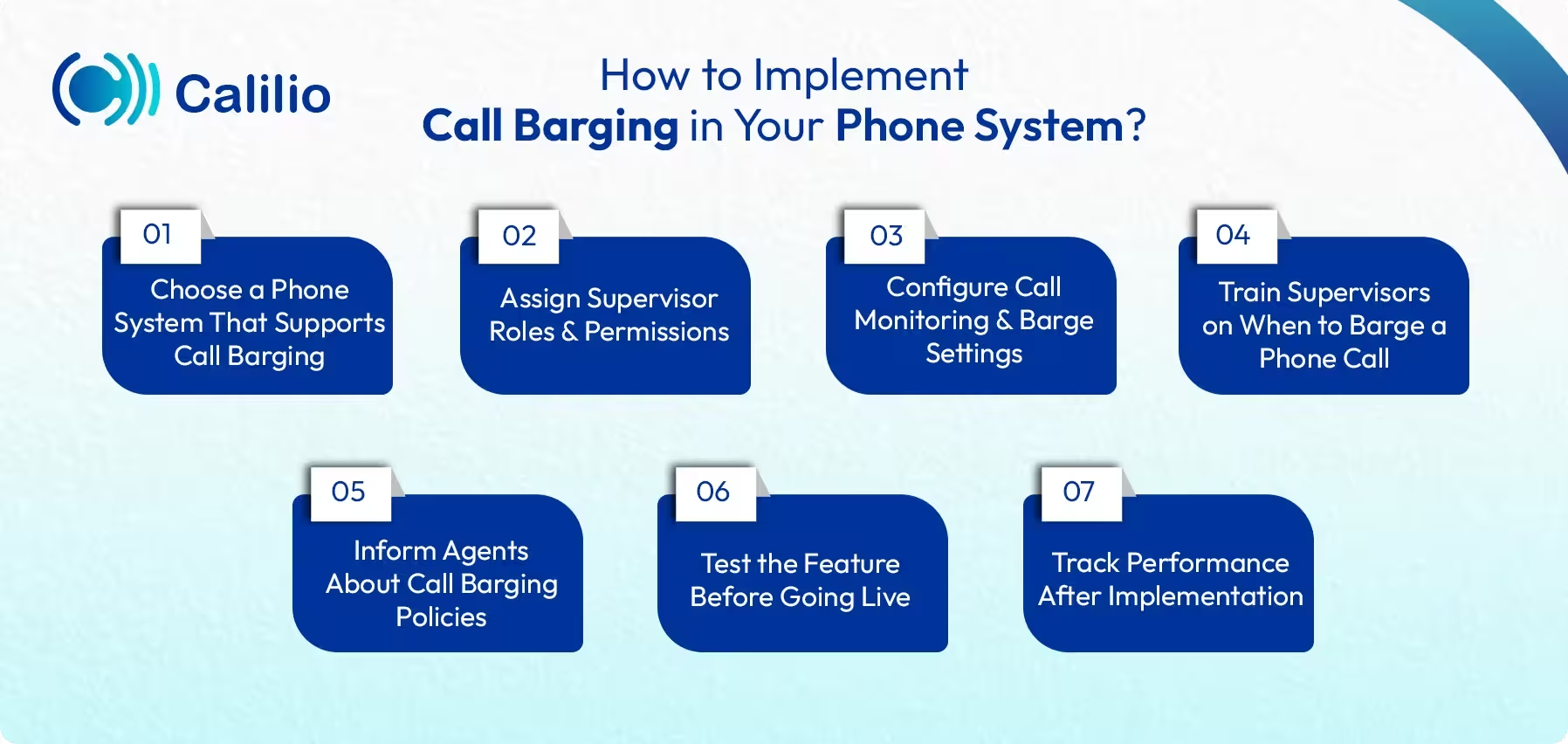
1. Choose a Phone System That Supports Call Barging
Select a VoIP or call center platform that includes live call barging, monitoring, and whispering. This ensures your team has all the tools needed for real-time support.
2. Assign Supervisor Roles and Permissions
Only trained and authorized users should have access to call barge features. Set up supervisor profiles with the correct permissions to monitor, whisper, and barge into calls.
3. Configure Call Monitoring and Barge Settings
Enable monitoring tools and decide when others can join ongoing calls. Some systems allow automatic triggers, while others require manual supervisor action.
4. Train Supervisors on When to Barge a Phone Call
Supervisors must know how to enter a call without disrupting the conversation. Training ensures they join at the right moment and guide the call properly.
5. Inform Agents About Call Barging Policies
Agents should know when supervisors may join live calls and why. Clear policies create a transparent and supportive work environment during real-time interaction.
6. Test the Feature Before Going Live
Run internal test calls to ensure audio quality, notifications, and system behavior work correctly. Fix any technical issues before enabling it for real customers.
7. Track Performance After Implementation
Monitor call outcomes, customer satisfaction, and agent performance to measure the impact of call barging. Use these insights to improve training and adjust your call-handling process.
Best Practices for Using Call Barging
For the best and effective use of call barging, you should set clear rules for when supervisors can join a call. Also, make sure to follow privacy guidelines and provide agents constructive feedback after each call.
- Have Clear Internal Rules: Decide when barging is allowed, who can do it, and what situations justify it. This prevents unnecessary interruptions and keeps the process consistent.
- Announce the Intervention Politely: When a supervisor joins the call, a simple greeting helps the customer understand why someone has joined the conversation.
- Protect Customer and Agent Privacy: Use barging only when appropriate and permitted. Avoid joining calls with sensitive information unless necessary and allowed by law, and always follow compliance requirements.
- Offer Post-call Feedback: After the call, talk to the agent about what happened. Clear feedback helps them improve and reduces the chances of similar issues in the future.
Conclusion
Call barging gives call centers a practical way to support agents and handle difficult conversations with confidence. By allowing supervisors to join a live call at the right moment, it helps guide agents and keep customer interactions on the right track.
When used with clear rules and the right tools, call barging improves customer satisfaction and creates a more reliable service experience. It becomes an important part of a call center workflow, helping teams stay prepared for any situation that arises during real-time conversations.
Summarize this blog with:
Frequently Asked Questions
Everything you need to know about Calilio. Can't find your answer? .
Yes, call barging is legal as long as the call center follows local consent and call monitoring laws, which vary by country and region. Most regulations require informing agents and customers before monitoring or joining a call by a third party.
Stay in the loop
Get the latest call insights, trends, and updates delivered straight to your inbox.
By subscribing, you agree to receive updates from Calilio.
You can unsubscribe anytime.
Enter the World of AI Business Phone System with Calilio
Improve your business operation with Calilio's advanced virtual phone system. Join today for a better way to connect.