
Call Center Queue Management: Top Strategy, Tools & Best Practices

No one likes being on hold when contacting customer support, yet call queues are an inevitable part of most businesses. While you can’t eliminate queues entirely, effective call center queue management can significantly improve both the customer experience and operational efficiency.
By reducing wait times, routing callers to the right agents, and keeping workloads organized, a well-managed queue ensures faster, smoother, and more reliable support.
In this guide, we’ll explore what call center queue management is, why it matters, and how you can optimize your call queues to enhance customer satisfaction and boost call center performance.
Key Highlights:
Queue management reduces customer wait times and ensures calls are handled by the right agents, leading to higher customer satisfaction, better agent productivity, and improved brand reputation.
To measure the effectiveness of queue management, regularly track the call center metrics like average wait time, abandonment rate, service level, FCR, and AHT.
Key strategies include using the FIFO method for call queuing, applying priority queuing, routing calls based on agent skills, and offering automated callbacks.
Technologies like ACD systems, IVR, and AI tools, CRM integration, and callback systems improve queue efficiency.
Common mistakes when managing call queues include skipping real-time monitoring, not offering callback options, relying on outdated systems, and failing to collect customer or agent feedback.
What is Call Center Queue Management?
Call center queue management refers to the process of organizing and directing incoming calls to the appropriate agents in a timely manner for efficient call handling. Its primary goal is to ensure that customers are not left waiting unnecessarily, reducing frustration and enhancing their overall experience.
Why Queue Management Matters in Call Centers
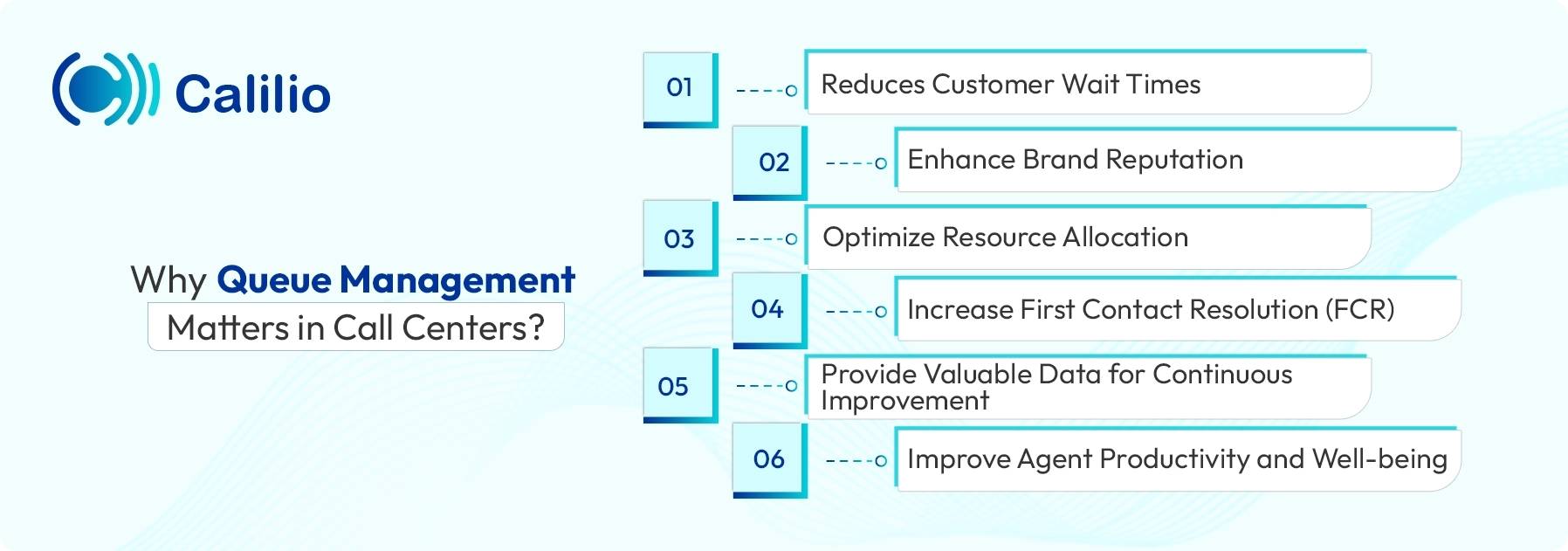
Effective queue management reduces customer wait times, ensures calls are answered by the right agents, and helps allocate resources effectively. It also improves first call resolution (FCR) rate and enhances brand reputation.
Here are some key benefits of call queue management in call centers:
- Reduces Customer Wait Times: Long wait times frustrate customers and lead to call abandonment. Effective queue management minimizes wait times, improving customer satisfaction and fostering loyalty.
- Enhance Brand Reputation: A well-managed call queue leads to a positive customer experience, helping to build trust and differentiate your brand from competitors. In contrast, long wait times can damage your reputation.
- Optimize Resource Allocation: Queue management allows businesses to predict call volume and adjust staffing accordingly. This ensures the right number of agents are available at all times, optimizing resources.
- Increase First Contact Resolution (FCR): By routing calls to the most appropriate agent, queue management helps resolve issues on the first interaction. High FCR rates directly increase customer satisfaction and reduce operational costs.
- Provide Valuable Data for Continuous Improvement: Modern queue management systems collect data on call trends and performance. This data can be analyzed to identify process inefficiencies and areas for improvement in customer service.
- Improve Agent Productivity and Well-being: Proper queue management ensures a balanced call distribution, preventing agent burnout. This helps agents deliver more efficient service.
Top Call Center Queue Management Strategies
Top call center queue management strategies include First In, First Out (FIFO), priority queuing, skills-based routing, and automated callbacks. They’re typically classified based on call urgency, customer type, and agent capability.
1. First In, First Out (FIFO)
FIFO is a queue method that handles calls strictly based on arrival time, making sure the first caller in line is the first one served. It creates a fair flow because every caller waits their turn without exception. However, it doesn’t allow room to push urgent or high-priority calls ahead, so all callers receive the same treatment.
This approach works best in environments where most issues share the same level of urgency and no special prioritization is needed.
2. Priority Queuing
Priority queuing is used to manage the most important calls over others. For instance, VIP customers or urgent technical support requests can be placed at the front of the queue. It ensures that high-priority issues are handled quickly, reducing customer frustration for those who need immediate assistance.
3. Skills-based Routing
Skills-based routing directs calls to the agent best equipped to handle them. It’s ideal for call centers where agents specialize in different areas, such as sales, technical support, or billing.
Implementing skill-based routing improves call resolution rates and reduces handling time, as customers are connected to agents who can solve their issues efficiently. Also, as the calls are queued for different departments, the queue is often shorter.
4. Automated Callbacks
Automated callbacks allow customers to retain their place in the queue without staying on hold. Instead of waiting, they are called back when it’s their turn. It reduces the perceived wait time and improves the customer experience, especially during busy periods.
Key Metrics to Measure the Effectiveness of a Queue Management System
The key metrics to evaluate a queue management system in a call center include average wait time, abandonment rate, service level, First Call Resolution (FCR), call queue length, and Average Handling Time (AHT). Monitoring these metrics helps you measure efficiency, track performance, and make data-driven decisions to improve call center operations.
- Average Wait Time (AWT): AWT measures the average amount of time a customer spends waiting in the queue before speaking with an agent. Shorter wait times indicate higher customer satisfaction and better overall service quality.
- Abandonment Rate: It is the percentage of customers who disconnect before being answered by an agent. A high abandonment rate often indicates excessive wait times, staffing shortages, or a need for improved call routing or self-service options.
- Service Level: Call center service level is the percentage of calls answered within a predefined target time (eg, 80% of calls answered within 30 seconds). It is a core KPI used to evaluate how quickly the team responds to incoming calls to meet customer expectations.
- Call Queue Length: Queue length is the number of customers currently waiting in the queue. Monitoring queue length helps identify peak call periods and supports more accurate staffing and scheduling decisions.
- First Call Resolution (FCR): FCR is the percentage of customer issues resolved during the first interaction, without requiring follow-up. A high FCR rate indicates effective problem-solving, reduced repeat calls, and improved customer satisfaction.
- Average Handling Time (AHT): AHT is the average total duration of a call, including talk time, hold time, and after-call work. Effective call centers strive to balance AHT, resolving issues efficiently without compromising service quality or customer experience.
Technologies Commonly Used in Call Center Queue Management
Technologies like Automatic Call Distributors (ACD), IVR, AI-powered tools, and CRM integration help streamline call routing, reduce wait times, and improve agent performance. These technologies automate processes, provide real-time insights, and enhance customer service by ensuring calls are routed quickly to the most appropriate agent.
1. Automatic Call Distributor (ACD)
The ACD routes incoming calls to the right agents based on factors like availability, skills, or customer needs. It helps reduce wait times by quickly connecting customers with the right person, ensuring calls are handled efficiently.
2. Interactive Voice Response (IVR)
IVR is an automated system that lets customers choose options from a menu. It gathers information like the reason for calling and routes calls to the right department. IVR also offers basic self-service options, like checking account balances, which helps reduce call volume and speeds up service.
3. AI & Automation
AI tools, such as chatbots and virtual assistants, handle basic customer queries and transactions. These technologies provide 24/7 support, answer frequently asked questions, and automatically route calls based on customer data, reducing agents’ workload.
4. CRM Integration
CRM systems give agents access to key customer information instantly. With this data, agents can quickly resolve issues without needing to ask for details already available. This streamlines the process, reduces call transfers, and improves first-call resolution.
5. Automated Callbacks
Automated callback systems allow customers to opt for a return call instead of waiting in a queue. This technology improves satisfaction by eliminating longer hold times and reducing call abandonment. It also helps reduce peak-time congestion in the call center.
6. Real-time Analytics & Reporting
Real-time analytics tools monitor key metrics like wait times, call abandonment, and resolution rates. These tools help managers make quick adjustments, optimize staffing, and improve overall performance.
7. Workforce Management (WFM) Tools
WFM tools use data to predict call volume and adjust staffing levels accordingly. They help schedule the right number of agents at peak times and avoid under or over-staffing. These tools improve service and ensure enough agents are available during busy periods without wasting resources during slower times.
Best Practices for Optimizing Call Center Queues
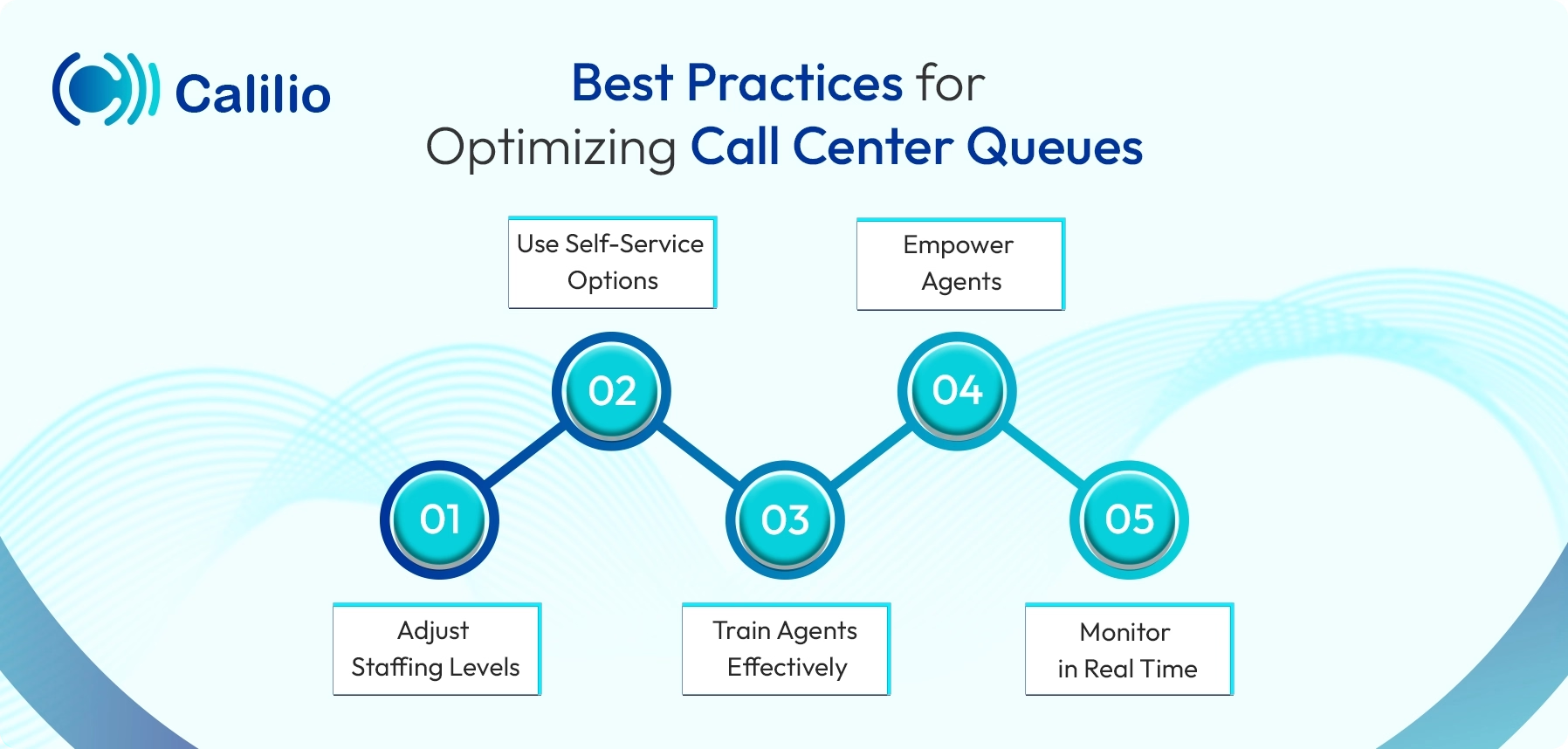
To optimize call center queues, use data to forecast call volumes and adjust staffing levels, offer self-service options, train agents across multiple tasks, and monitor queues in real-time. Furthermore, implementing proactive adjustments and empowering agents with decision-making authority also helps reduce wait times.
Adjust Staffing Levels
Use historical data and predictive analytics to forecast peak call times. Schedule additional agents during high-volume periods, such as promotions or seasonal spikes, to ensure smooth operations.
Train Agents Effectively
Train agents to handle a variety of inquiries efficiently. Equip them with the skills to use CRM systems, AI tools, and product knowledge to resolve issues quickly. Well-trained agents can manage multiple types of calls, improving call handling times and reducing queue congestion.
Monitor in Real Time
Monitor call queues and agent performance in real time using live tracking tools. Identify rising wait times, unbalanced queues, or agent bottlenecks, and take immediate action. Real-time adjustments help you maintain high service levels and reduce customer wait times.
Use Self-Service Options
Implement self-service automation tools like IVR systems, FAQs, and chatbots to handle routine inquiries. This allows customers to resolve common issues without waiting for an agent. It reduces call volume and frees up agents to focus on more complex issues, improving both operational efficiency and customer satisfaction.
Empower Agents
Give agents the authority to make decisions and resolve issues on their own. When agents can handle calls without needing approval or transfers, they can resolve customer concerns faster. Empowered agents improve first-call resolution rates, reduce wait times, and enhance customer satisfaction.
Common Pitfalls to Avoid During Queue Management
When managing calls, avoid common mistakes like overdependence on FIFO routing, neglecting real-time monitoring, and failing to offer callback options. Also, be mindful, failing to track key metrics, using outdated technology, and ignoring customer or agent feedback can hinder queue efficiency and customer satisfaction.
- Overreliance on FIFO Routing: FIFO routing does not prioritize urgent or high-value calls. It can lead to inefficiencies, delaying the response to critical issues.
- Lack of Real-time Visibility: Without real-time tracking and analytics, call centers are unable to quickly respond to sudden call volume surges or identify performance issues, leading to unbalanced queues and long wait times.
- Not Having Callback Options: Forcing customers to remain on hold increases call abandonment rates and negatively impacts customer satisfaction.
- Overlooking KPIs: Failing to monitor important metrics like wait time, abandonment rates, and FCR can result in undetected inefficiencies.
- Failing to Update Technology: Outdated technology, such as old call routing systems or inefficient IVR setups, causes slower service, longer wait times, and an inability to adapt to customer expectations and needs.
- Neglecting Customer Feedback: Not collecting or analyzing feedback from customers can prevent you from identifying pain points in the queue management system. This can lead to recurring issues and declining customer satisfaction.
Conclusion
A strong call center queue management strategy is essential for improving customer satisfaction and optimizing agent productivity. By implementing the right strategies and technology and continuously refining processes, businesses can ensure that customer inquiries are addressed quickly.
To manage queues well, call centers need tools that offer real-time insights and accurate data. This includes clear reports on wait times, call volumes, agent activity, and how calls move through the system.
Summarize this blog with:
Frequently Asked Questions
Everything you need to know about Calilio. Can't find your answer? .
Yes, you can reduce agent burnout with proper queue management. By balancing call distribution, offering self-service options, and empowering agents with decision-making, you can reduce agent stress and prevent burnout.
Stay in the loop
Get the latest call insights, trends, and updates delivered straight to your inbox.
By subscribing, you agree to receive updates from Calilio.
You can unsubscribe anytime.
Enter the World of AI Business Phone System with Calilio
Improve your business operation with Calilio's advanced virtual phone system. Join today for a better way to connect.